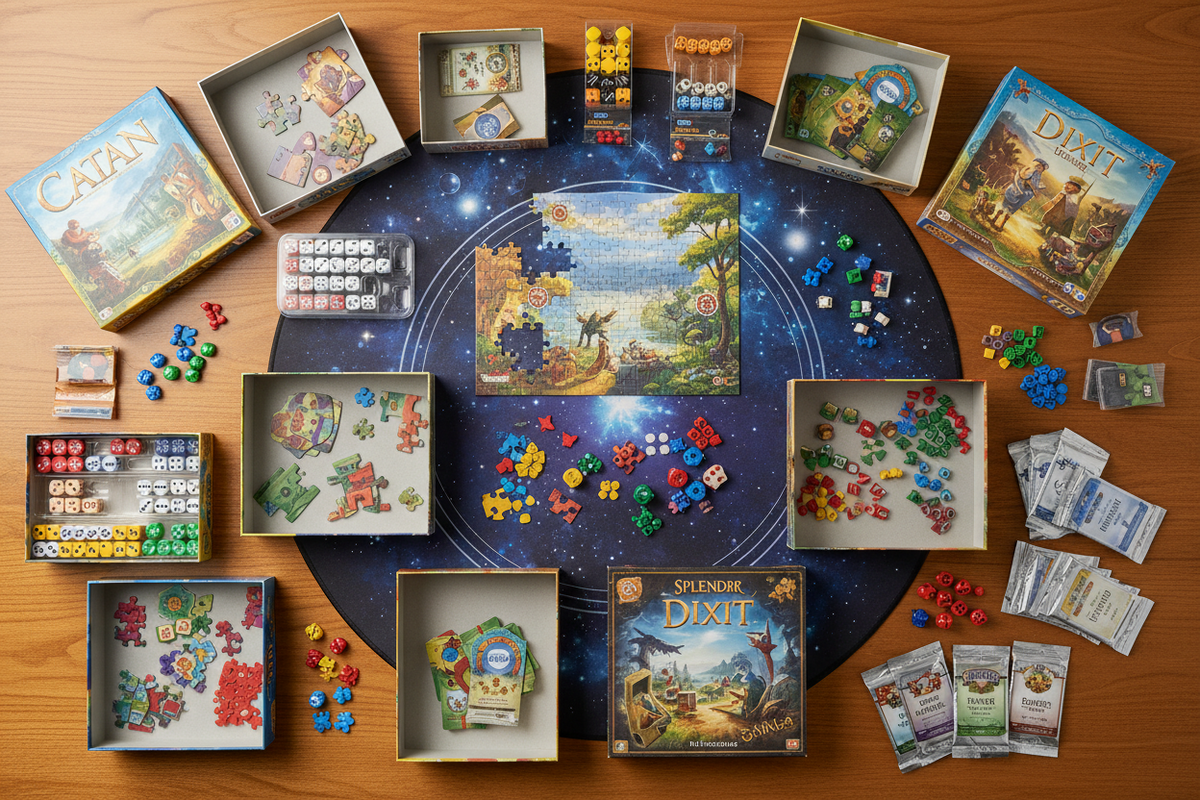
A world of color, craft, play, and possibility is waiting to be made yours.
01 / CREATE
Art & coloring
02 / BUILD
Models & collectibles
03 / PLAY
Games & puzzles
01
Discover
Something catches your curiosity.
02
Choose
Find the hobby that feels like you.
03
Create
Open the box. Pick up the tools. Start making.
The Circuitry of Imagination: Tech Gadgets and the Modern Maker
Share
Introduction When we think of traditional crafts, we often picture yarn, wood, or paint. However, the 21st century has introduced a thrilling new material to the hobbyist’s workbench: circuitry. The fusion of hands-on building with modern electronics has given birth to the "Maker Movement," completely redefining what it means to be an artisan today.
The Golden Age of Radio and Tinkering The roots of the modern tech hobbyist trace back to the early 20th century with the rise of amateur radio. In the 1920s, building a crystal radio set was a wildly popular DIY project. It required winding copper wire around cardboard tubes and tinkering with basic electronics to pull invisible broadcasts out of the air. This era established the foundational idea that everyday people could build and manipulate complex technology in their own homes, without needing a degree in engineering.
The Microcontroller Revolution For decades, building interactive electronics remained highly complex. That changed dramatically in the mid-2000s with the introduction of accessible, open-source microcontrollers like the Arduino. These tiny, affordable computer boards allowed anyone to connect sensors, motors, and lights with simple programming. Suddenly, the barrier to entry was shattered, democratizing computer science and hardware engineering for the masses.
Building the Future at Home Today, the Tech & Maker space is about creating smart lifestyle devices and interactive gadgets from scratch. Whether you are programming an automated plant watering system, building a custom RC vehicle, or designing a smart home sensor network, the modern maker blends coding with physical engineering. Picking up an electronics kit is no longer just for scientists; it is for anyone with the curiosity to invent, tinker, and physically build the future.