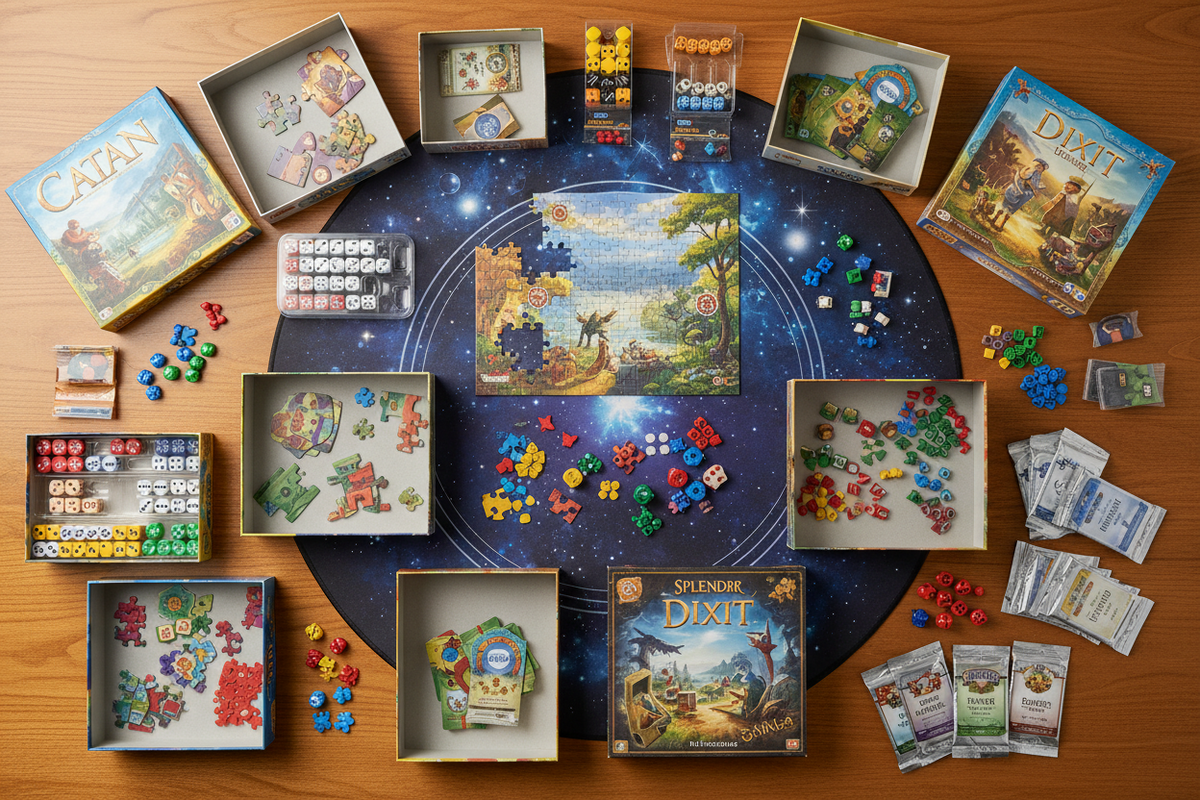
A world of color, craft, play, and possibility is waiting to be made yours.
01 / CREATE
Art & coloring
02 / BUILD
Models & collectibles
03 / PLAY
Games & puzzles
01
Discover
Something catches your curiosity.
02
Choose
Find the hobby that feels like you.
03
Create
Open the box. Pick up the tools. Start making.
The Artisan’s Touch: A Tribute to Traditional Hand Tools and Craftsmanship
Share
Introduction There is a distinct, universal satisfaction in gripping a well-made hand tool and shaping raw materials with your own two hands. The weight of a solid hammer, the sharp edge of a chisel, and the smooth action of a hand plane represent the pinnacle of human engineering. Crafting and DIY repair transform us from passive consumers into capable creators. Let us explore how the tools of the trade evolved into cornerstones of the modern hobbyist’s workshop.
The Forge and the Guild For centuries, high-quality tools were incredibly rare and fiercely guarded. During the Middle Ages, guilds controlled the trades of blacksmithing and carpentry. Tools were hand-forged, wildly expensive, and passed down as vital heirlooms from a master to an apprentice. The average household did not own specialized equipment, relying entirely on local tradesmen for intricate woodwork or repairs.
The Golden Age of American Toolmaking The Industrial Revolution shattered this exclusivity. By the mid-19th to early 20th century, advances in metallurgy and mass production allowed for the forging of cast-iron and steel tools that were both affordable and virtually indestructible. This era gave rise to legendary American tool brands that championed durability and precision. The introduction of standardized screw threads and interchangeable parts meant that beautifully crafted, reliable tools could finally become household staples, empowering the everyday citizen to become a craftsman.
The Modern Maker’s Arsenal Today, the DIY tool market is driven by extreme precision and ergonomics. Building out a personal workshop is a beloved pursuit. When you invest time in an Arts & Crafts project or a DIY home repair, the quality of your tools dictates the quality of your experience. Using professional-grade, well-balanced equipment is an investment in self-reliance, connecting you to a centuries-old lineage of builders and artisans.