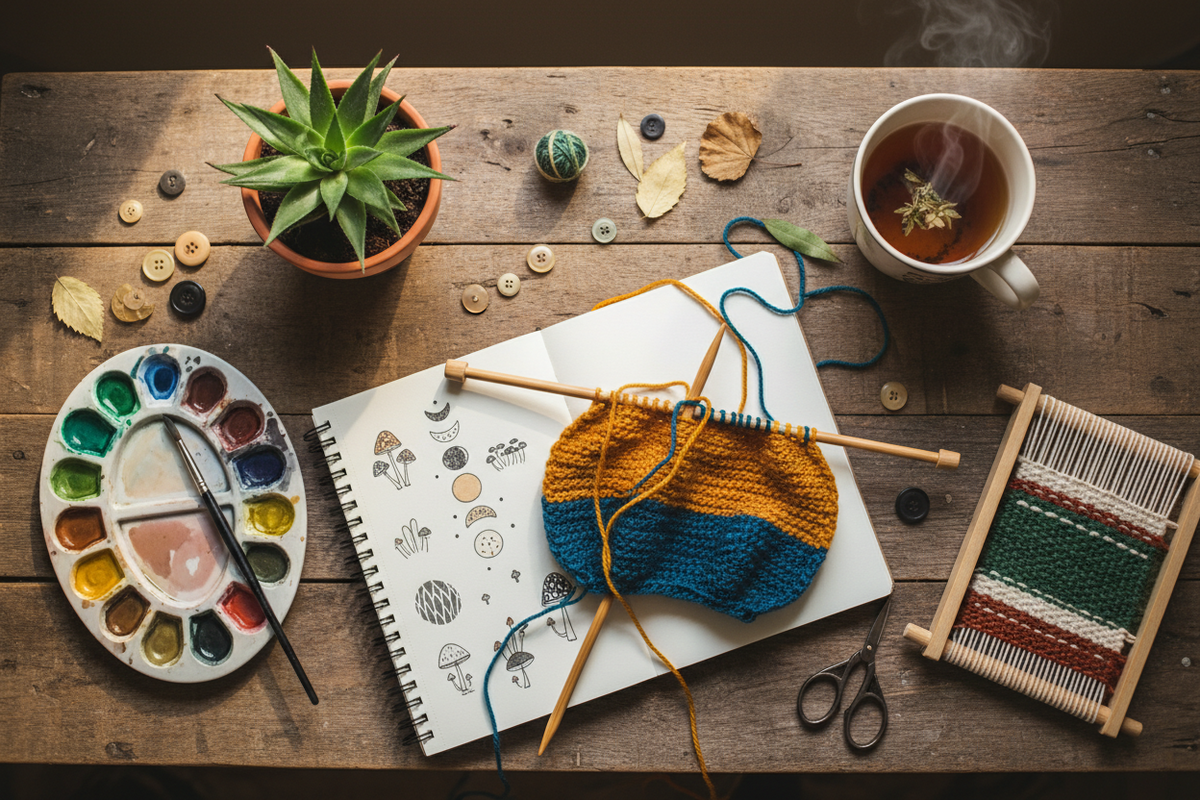
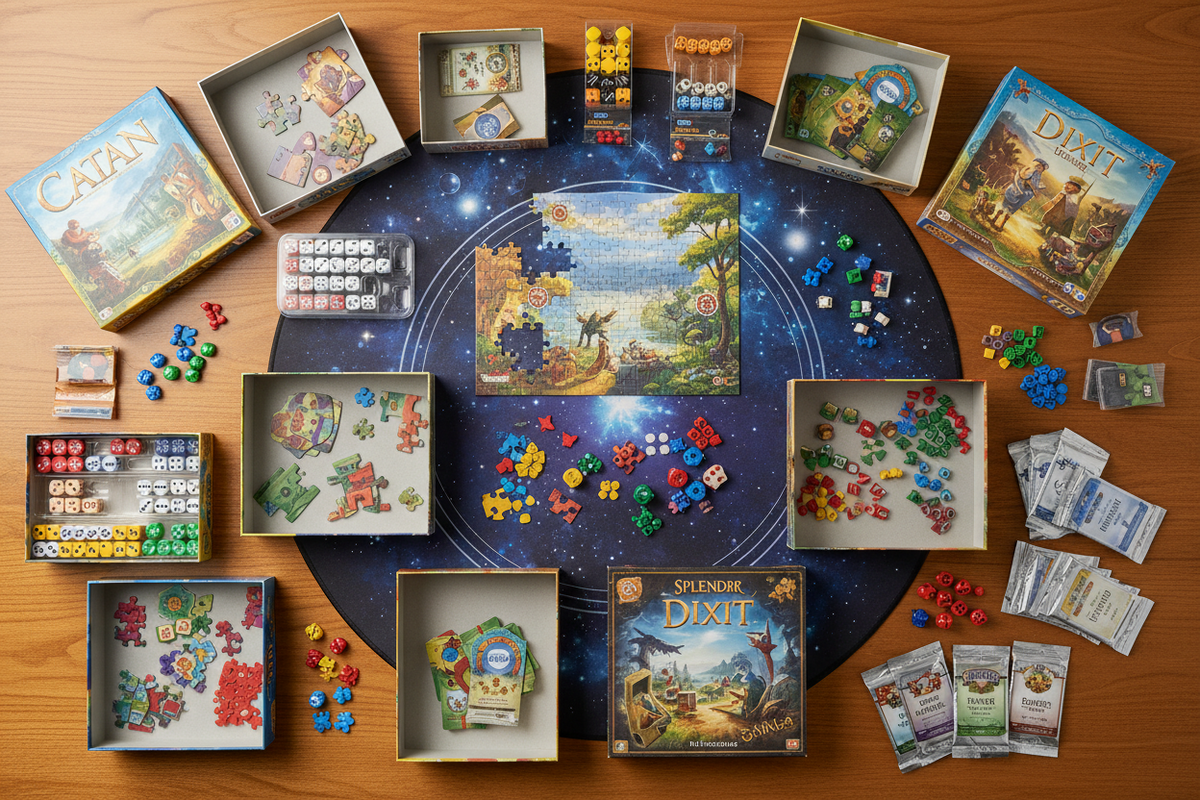
A world of color, craft, play, and possibility is waiting to be made yours.
01 / CREATE
Art & coloring
02 / BUILD
Models & collectibles
03 / PLAY
Games & puzzles
01
Discover
Something catches your curiosity.
02
Choose
Find the hobby that feels like you.
03
Create
Open the box. Pick up the tools. Start making.
Illuminating the Past: The Ancient Craft of Candle Making
Share
Introduction Lighting a candle instantly transforms the atmosphere of a room. It brings warmth, a soothing scent, and a comforting, flickering glow. Today, crafting artisan candles is a massive trend in the DIY Home & Garden space. However, for the vast majority of human history, candles were not luxury decor items—they were a desperate necessity to hold back the dark.
The Stinky Origins: Tallow Candles The earliest known candles were developed by the ancient Egyptians, who used rushlights made by soaking the pith of reeds in melted animal fat. The Romans later created the first true wicked candles by repeatedly dipping rolled papyrus into melted tallow (beef or sheep fat). Tallow remained the standard for everyday people throughout the Middle Ages. Unfortunately, tallow candles burned poorly, smoked heavily, and emitted a notoriously foul odor that smelled like rancid meat.
The Beeswax Revolution and the Wealth Divide During the Middle Ages, a significant alternative emerged: beeswax. Beeswax candles burned cleanly, brightly, and offered a pleasant, sweet scent. However, they were incredibly expensive to produce. Consequently, beeswax was strictly reserved for royalty, the wealthiest nobles, and the church. The divide was clear: the rich enjoyed the sweet light of beeswax, while the common folk endured the smoky stench of tallow.
The Modern Artisan Era The 19th century brought major chemical advancements, including the discovery of paraffin wax and the invention of the braided cotton wick, which finally made clean-burning candles affordable for the masses. Fast forward to today, and candle making has come full circle. With the advent of electricity, we no longer need candles to see, so we use them to feel. The DIY candle kits at Hobby Loom utilize sustainable materials like soy wax and natural essential oils, allowing you to easily step into the shoes of a historic chandler (candle maker) and craft a personalized scent profile for your sanctuary.