A world of color, craft, play, and possibility is waiting to be made yours.
01 / CREATE
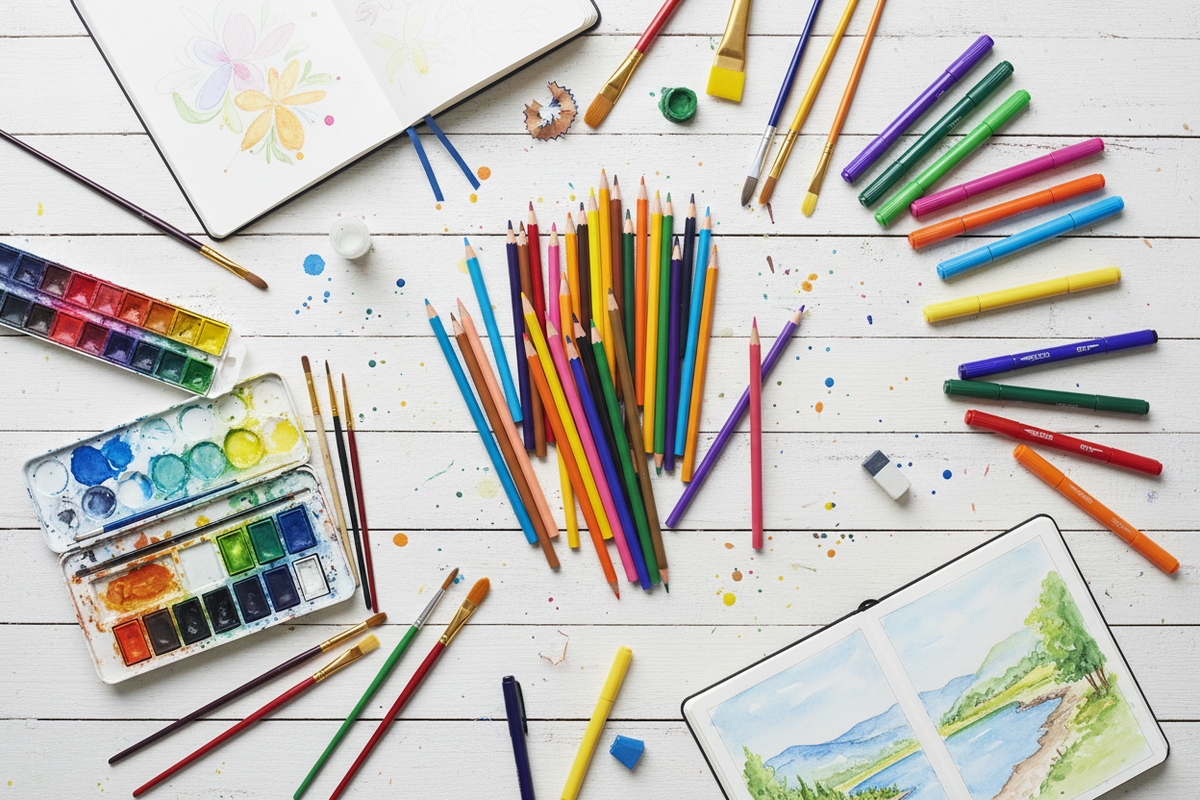
Art & coloring
02 / BUILD
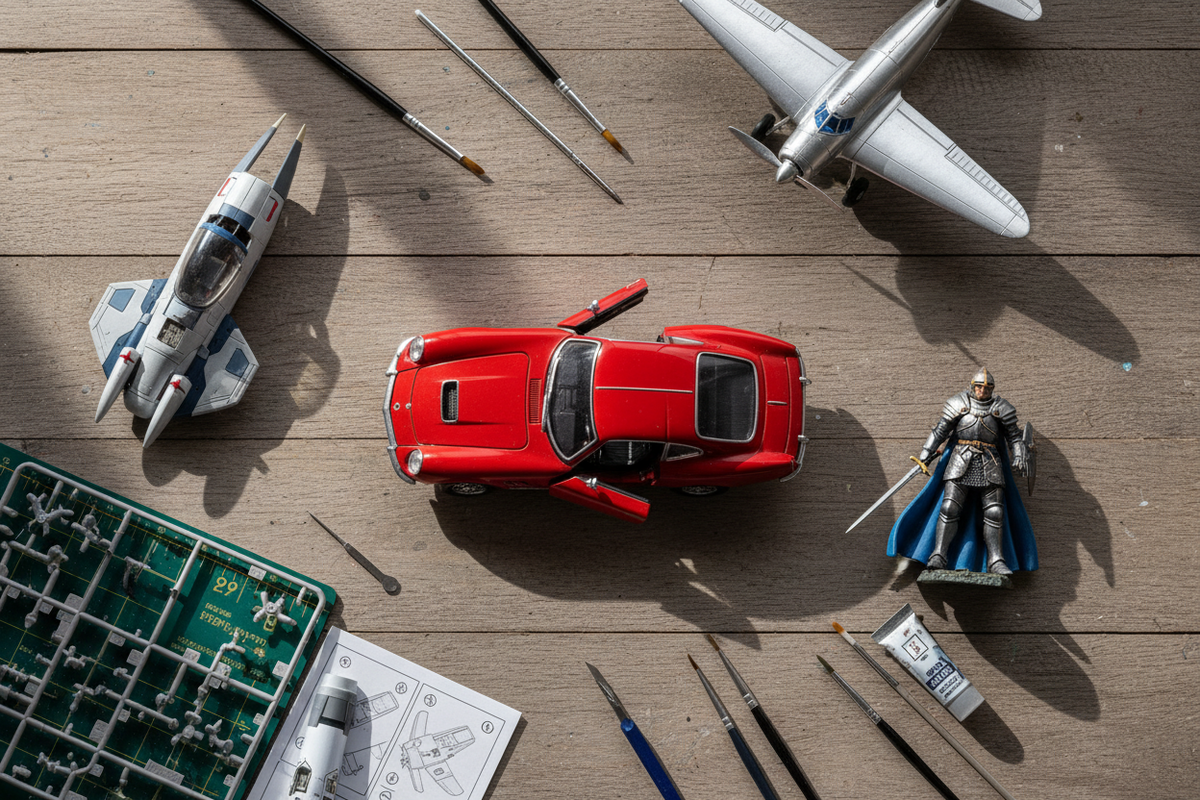
Models & collectibles
03 / PLAY
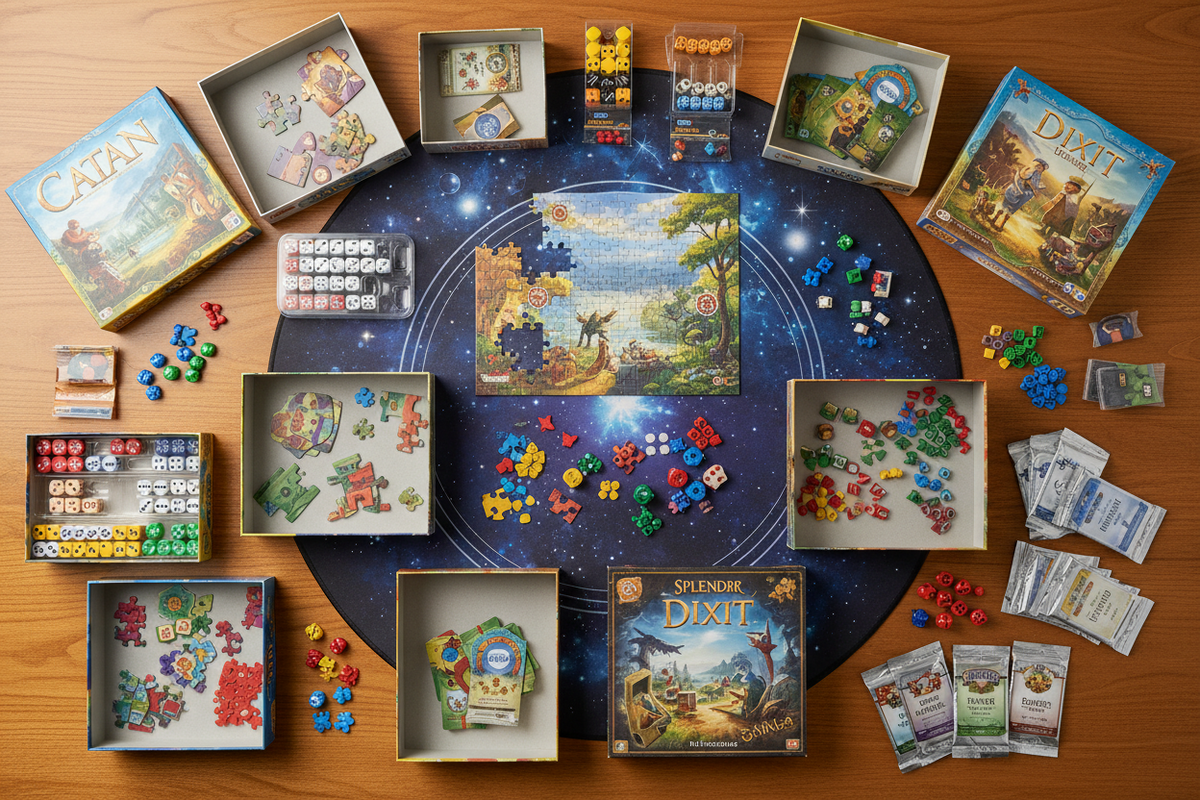
Games & puzzles
01
Discover
Something catches your curiosity.
02
Choose
Find the hobby that feels like you.
03
Create
Open the box. Pick up the tools. Start making.
From Necessity to Mindfulness: The Rich History of Arts & Crafts
Share
Introduction When you pick up a paintbrush, a crochet hook, or a piece of clay, you are participating in a tradition that spans thousands of years. Today, we view arts and crafts as a relaxing pastime, but for most of human history, these skills were vital for survival. Let’s take a journey through the evolution of crafting and explore why it remains so important for our well-being today.
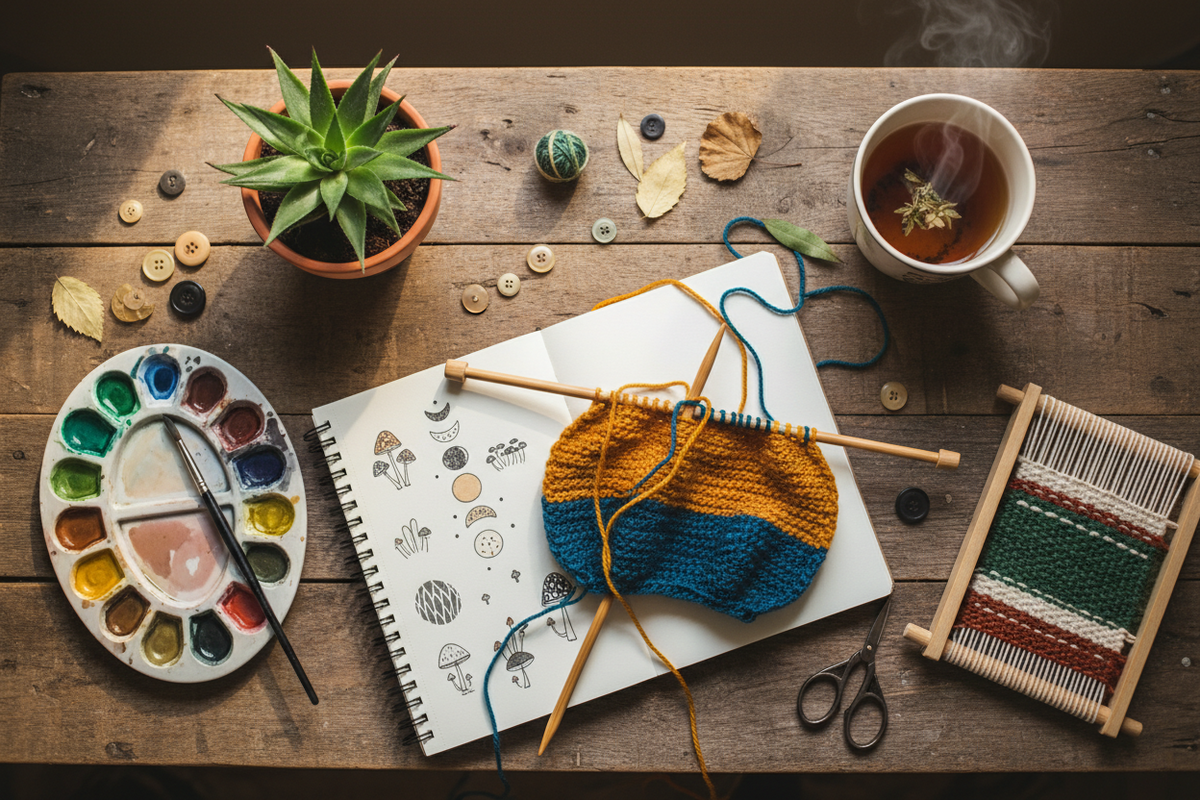
The Ancient Origins of Knitting and Crochet The exact origins of knitting remain a mystery, but historians believe it originated in the Middle East around the 11th century before spreading to Europe via trade routes. Originally a male-dominated trade heavily regulated by guilds, knitting was a crucial method for creating warm, durable garments. Crochet, on the other hand, evolved much later, likely developing from early 19th-century tambour lace-making. It gained massive popularity during the Irish Potato Famine as a way for families to earn emergency income.
The Transition from Survival to Leisure As the 20th century introduced machine-made textiles, the absolute necessity of knitting and crocheting faded. However, rather than disappearing, the crafts transformed. During the 1960s and 70s, a cultural shift towards self-expression and anti-consumerism sparked a massive DIY movement. Crafting became a statement of individuality.
Why We Craft Today: The Psychology of Creation Today, the Arts & Crafts category is one of the most popular sections at Hobby Loom. Why? Because the repetitive motions of knitting, the careful strokes of DIY painting, and the tactile nature of resin and clay act as natural stress relievers. Studies show that crafting releases dopamine, acting as a natural anti-depressant. When you purchase an Arts & Crafts kit from our store, you aren't just buying materials; you are investing in your mental health and creative joy.