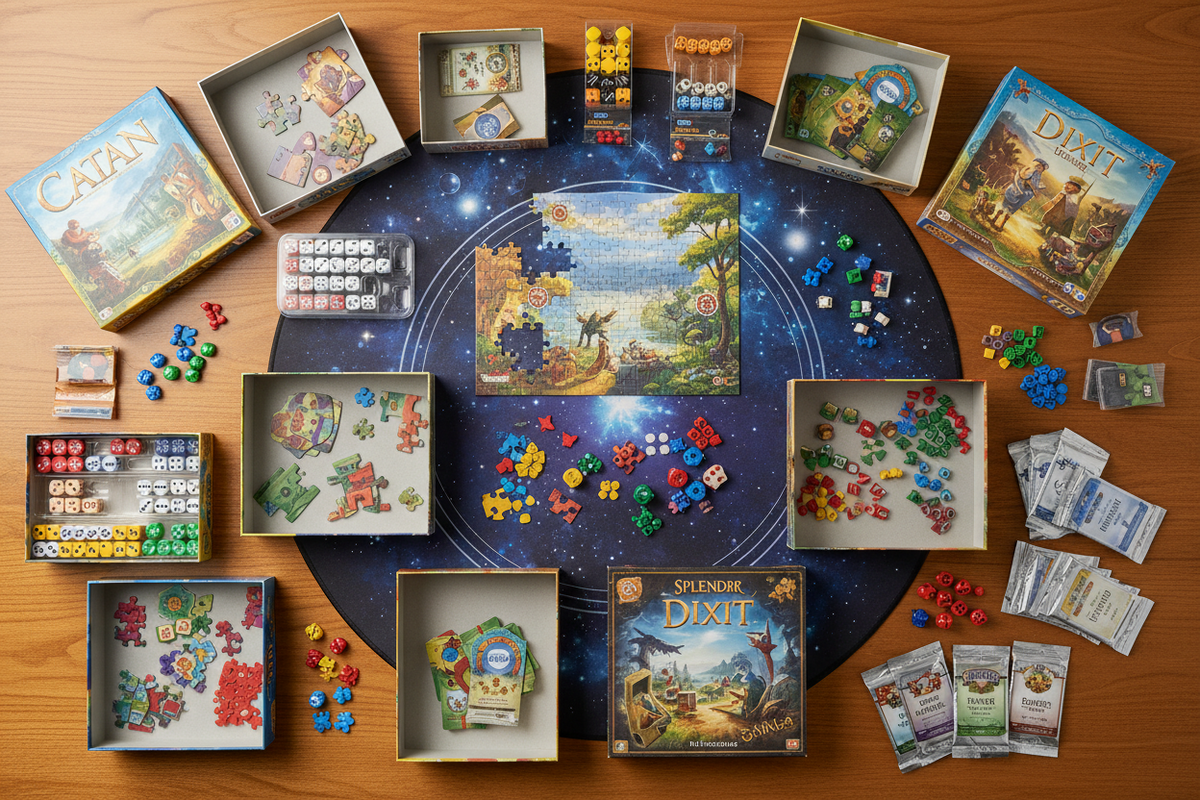
A world of color, craft, play, and possibility is waiting to be made yours.
01 / CREATE
Art & coloring
02 / BUILD
Models & collectibles
03 / PLAY
Games & puzzles
01
Discover
Something catches your curiosity.
02
Choose
Find the hobby that feels like you.
03
Create
Open the box. Pick up the tools. Start making.
From Ancient Incense to Automated Ambiance: The Journey of Home Fragrance
Share
Introduction Scent is the invisible architecture of a room. It possesses the unique power to instantly alter a mood, evoke deep memories, and create a highly welcoming atmosphere. Curating the perfect scent profile for a living space is a massive part of modern DIY and lifestyle culture. While we now have access to sophisticated, automated fragrance systems, the human desire to perfectly scent our environments has a rich history spanning from ancient temples to cutting-edge smart technology.
The Sacred Smoke of Antiquity The intentional scenting of spaces began with fire. The word "perfume" originates from the Latin per fumum, meaning "through smoke." Ancient Egyptians were pioneers of environmental fragrance, burning rich blends of myrrh, frankincense, and cedarwood. This practice was not merely cosmetic; it was believed that these complex, aromatic smoke clouds could purify the air and provide a direct communicative link to the divine.
Victorian Potpourri and the Analog Era Fast forward to 17th and 18th century Europe, where home fragrance became a symbol of status and domestic skill. The French perfected the art of potpourri—fermenting salt-cured flower petals, herbs, and spices in covered ceramic jars. In Victorian England, households created their own botanical blends to mask the harsh odors of city living. For centuries, scenting a home relied entirely on these analog methods: burning incense, lighting wicks, or drying flowers.
The Rise of Smart Fragrance Today, the way we scent our homes has undergone a technological renaissance. We have moved far beyond the traditional candle into the era of automated lifestyle convenience. Modern smart home fragrance diffusers allow users to seamlessly control scent intensity, set schedules, and swap between fragrances using a smartphone. Crafting your home's ambiance is now an effortless blend of ancient botanical appreciation and modern smart technology, ensuring your sanctuary always smells exactly the way you want it to.