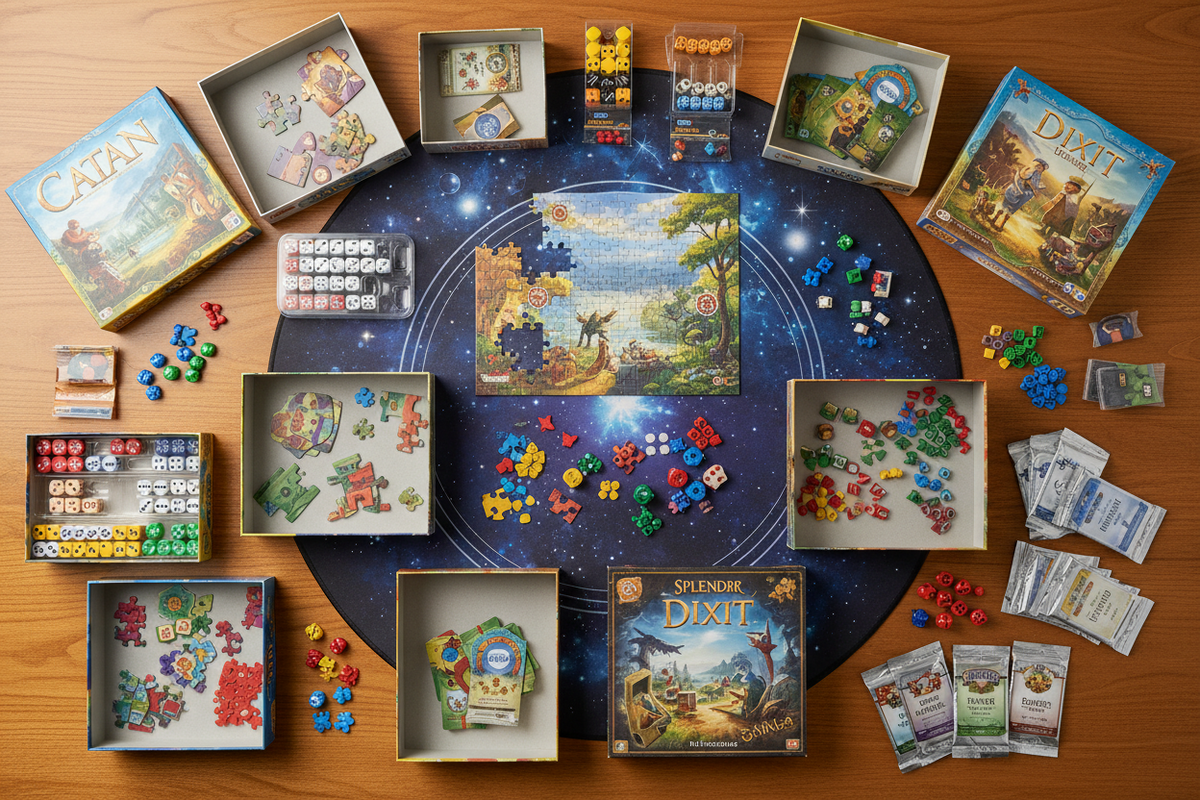
The Need to Unplug Picture this: it is 8:00 PM on a Tuesday. You are exhausted from back-to-back Zoom meetings, yet you find yourself mindlessly scrolling through your phone on the couch. We are consuming more information in a single day than our ancestors did in a lifetime, leaving our brains perpetually fatigued. When the digital noise becomes deafening, the best way to quiet the mind isn't to consume more content, but to physically build something. Enter the humble jigsaw puzzle.
From Educational Tools to Depression-Era Saviors The jigsaw puzzle wasn't invented for relaxation; it was born in the classroom. In the 1760s, a London engraver and mapmaker named John Spilsbury wanted to find a more engaging way to teach geography to children. He pasted a map of Europe onto a piece of mahogany and used a fine marquetry saw to carefully cut along the national borders. He called it a "Dissected Map." For over a century, these wooden puzzles were strictly educational tools for the wealthy, lacking the interlocking tabs we know today.
The true transformation of the puzzle occurred during the Great Depression in the 1930s. With unemployment skyrocketing and disposable income vanishing, American families desperately needed cheap, long-lasting entertainment that could keep them occupied at home. Manufacturers began mass-producing puzzles using die-cut cardboard instead of expensive wood. They became an overnight sensation. For just ten cents, a family could buy a 300-piece puzzle, offering hours of collaborative distraction from the harsh economic realities outside their doors.
The Meditative Power of the "Click" Today, puzzles have experienced a massive revival, not out of economic necessity, but for mental survival. Psychologists note that puzzling engages both sides of the brain: the analytical left brain sorts the pieces by color and shape, while the creative right brain visualizes the finished image. Finding the right piece and feeling it snap into place provides a micro-hit of dopamine. It is a tactile, screen-free meditation that lowers your heart rate and brings order to chaos, one piece at a time.
Discover Your Next Challenge at Hobby Loom At Hobby Loom, our Puzzles & Models collection is curated specifically for the adult mind seeking a mindful escape. We have sourced stunning, high-quality 1,000-piece landscape puzzles and intricate 3D wooden models that look as beautiful in progress as they do upon completion. Our premium, glare-free pieces ensure a satisfying, seamless fit every time.
Ready to piece your peace of mind back together? Explore our Jigsaw Puzzles today and clear off your coffee table for tonight's project.