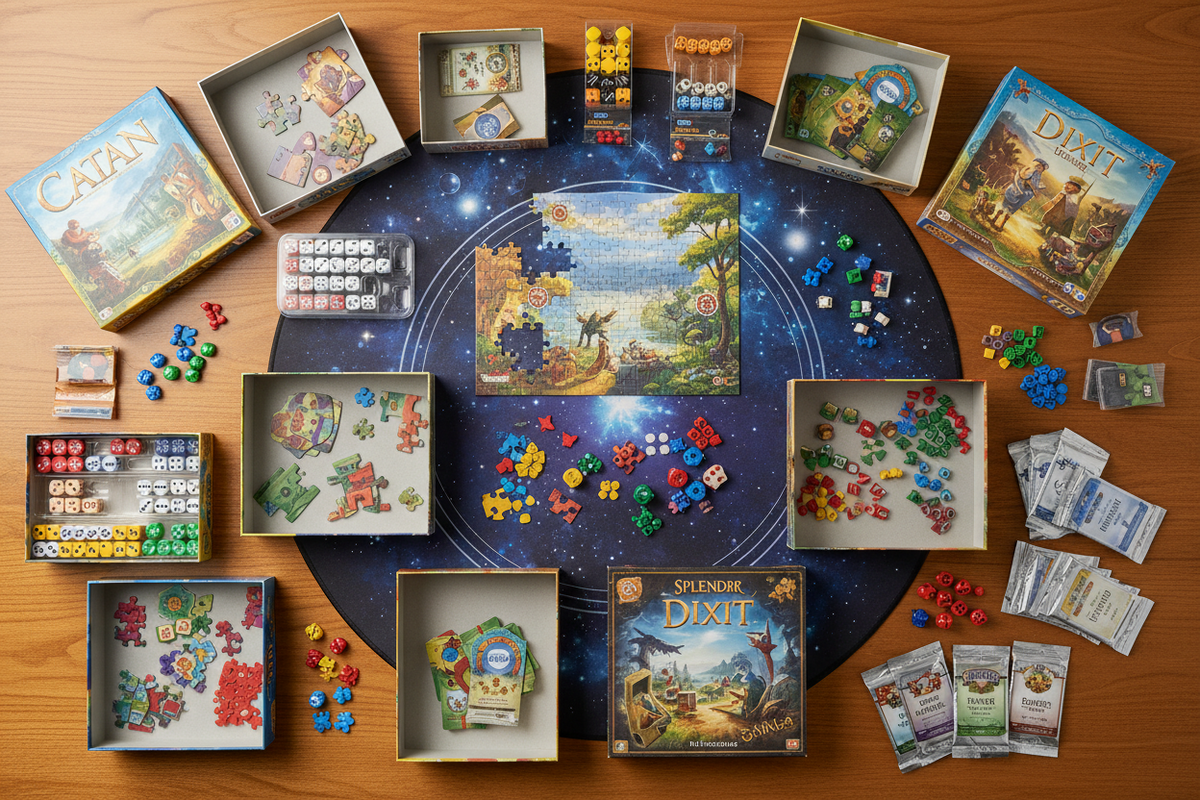
A world of color, craft, play, and possibility is waiting to be made yours.
01 / CREATE
Art & coloring
02 / BUILD
Models & collectibles
03 / PLAY
Games & puzzles
01
Discover
Something catches your curiosity.
02
Choose
Find the hobby that feels like you.
03
Create
Open the box. Pick up the tools. Start making.
Finding Beauty in Imperfection: The History of Kintsugi
Share
When a favorite ceramic bowl or mug shatters, our first instinct is usually to throw the pieces away in frustration. However, a profoundly beautiful Japanese philosophy teaches us the exact opposite. Kintsugi (meaning "golden joinery") is the art of repairing broken pottery with lacquer dusted or mixed with powdered gold, silver, or platinum. It is a standout DIY craft that teaches mindfulness, resilience, and sustainability.
The Legend of the Shogun's Tea Bowl The origins of Kintsugi trace back to 15th-century Japan. According to legend, the powerful shogun Ashikaga Yoshimasa accidentally broke his favorite Chinese tea bowl. Distraught, he sent it back to China for repairs. When it returned, the bowl was held together by ugly, thick metal staples. The shogun was so displeased that he tasked Japanese craftsmen to find a more aesthetic solution.
The Birth of Golden Repair The craftsmen decided that instead of trying to hide the damage, they would highlight it. They used urushi lacquer mixed with real gold dust to bond the ceramic shards. The result was breathtaking. The bowl was not just repaired; it was transformed into something arguably more beautiful and valuable than the original. This birthed the philosophy of Wabi-Sabi—the embracing of the flawed, the imperfect, and the transient. The golden scars became a testament to the object's history and resilience.
The Modern Kintsugi Kit In today’s fast-paced, disposable culture, taking the time to mend something broken is a radical and deeply therapeutic act. Modern DIY Kintsugi kits available in our Arts & Crafts section provide safe, user-friendly epoxies and brilliant gold powders. Practicing Kintsugi allows you to breathe new life into beloved household items, turning an accident into a bespoke work of art.