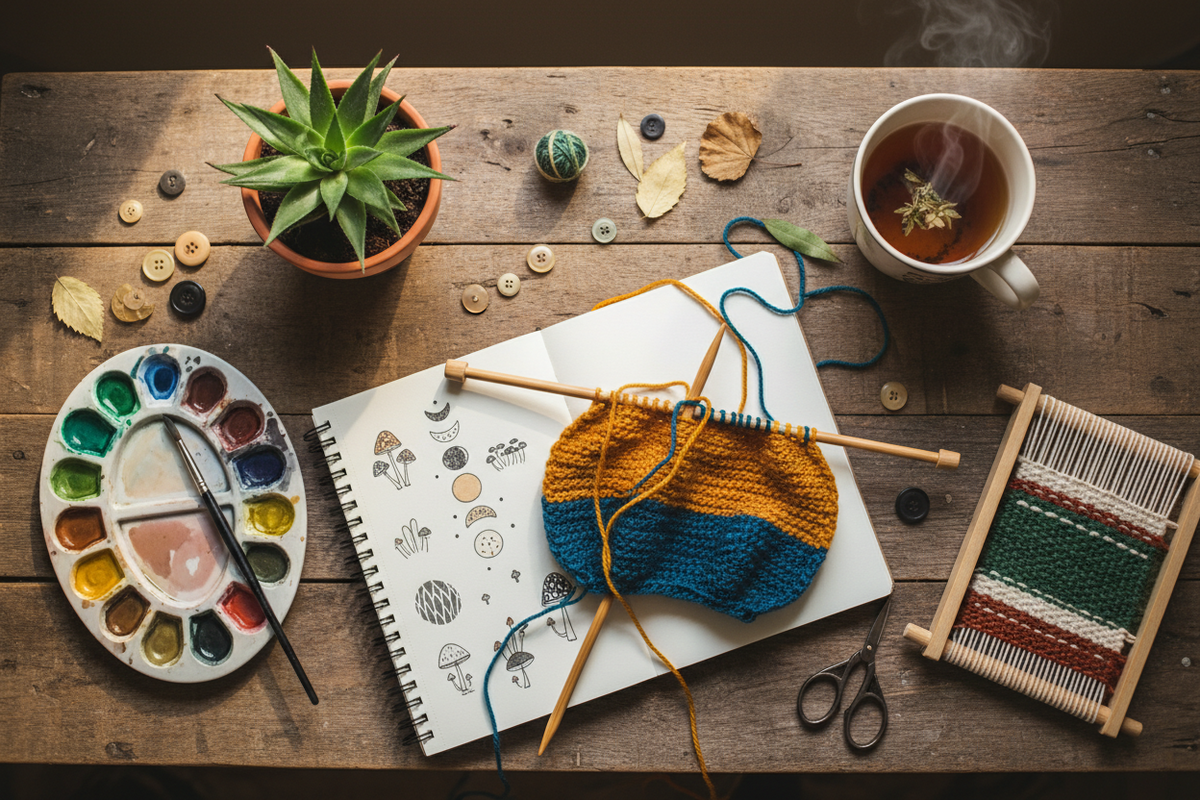
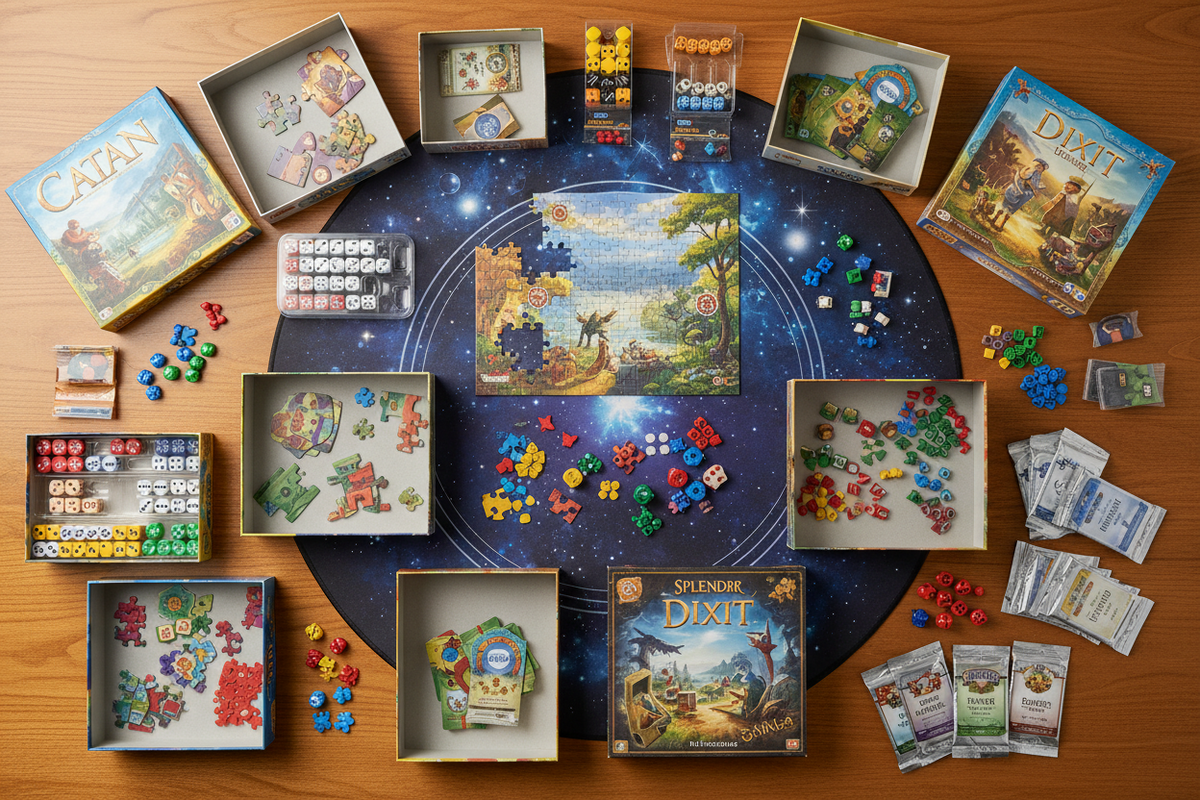
A world of color, craft, play, and possibility is waiting to be made yours.
01 / CREATE
Art & coloring
02 / BUILD
Models & collectibles
03 / PLAY
Games & puzzles
01
Discover
Something catches your curiosity.
02
Choose
Find the hobby that feels like you.
03
Create
Open the box. Pick up the tools. Start making.
Cultivating Calm: The Deep Roots of Indoor Gardening and Terrariums
Share
Introduction Our homes are our sanctuaries, and the desire to bring the beauty of nature indoors has never been stronger. From lush, enclosed terrariums to thriving windowsill herb gardens, indoor gardening is a deeply therapeutic hobby. It allows us to nurture life and cultivate calm in our everyday environments. Interestingly, the trend of curating indoor botanical spaces has deep, fascinating historical roots driven by accident and scientific curiosity.
The Accidental Invention of the Terrarium (1842) The enclosed terrarium was invented entirely by accident. In 1842, an English botanist named Dr. Nathaniel Bagshaw Ward was observing insect behavior in closed glass jars. He inadvertently left a fern spore inside one of the jars and was shocked to find that the fern thrived in the sealed environment, creating its own perfectly balanced microclimate. The "Wardian Case" was born, revolutionizing the transport of living plants across oceans and sparking a massive Victorian craze for indoor gardening.
The Victorian Fern Craze (Pteridomania) Following Ward's discovery, a phenomenon known as Pteridomania (Fern Madness) swept through Britain. Wealthy Victorians became obsessed with collecting exotic ferns and displaying them in elaborate glass cases inside their parlors. It was one of the first times that keeping ornamental indoor plants became a widespread, fashionable hobby, blending scientific observation with interior design.
The Modern Botanical Sanctuary Engaging in DIY gardening projects today is deeply grounding. Building a terrarium or tending to a curated collection of indoor plants connects you to the earth, lowering stress and improving indoor air quality. Whether you are propagating cuttings, designing a miniature glass ecosystem, or tending to indoor blooms, you are participating in a rich botanical tradition that brings vibrant life directly into your living room.