You Don't Need Every Tool to Create Something Amazing
Walk into a craft store—or browse a large hobby collection—and you'll discover hundreds of tools.
Precision cutters.
Specialized brushes.
Measuring devices.
Storage systems.
Craft machines.
Model-building accessories.
It's easy to believe that serious hobbies require expensive equipment.
But the truth is simpler.
The best hobby tools are the ones that help you create comfortably, accurately, and consistently.
At HobbyLoom™, we believe buying thoughtfully is part of enjoying a hobby.
Start With the Project, Not the Tool
Before purchasing equipment, decide what you actually want to make.
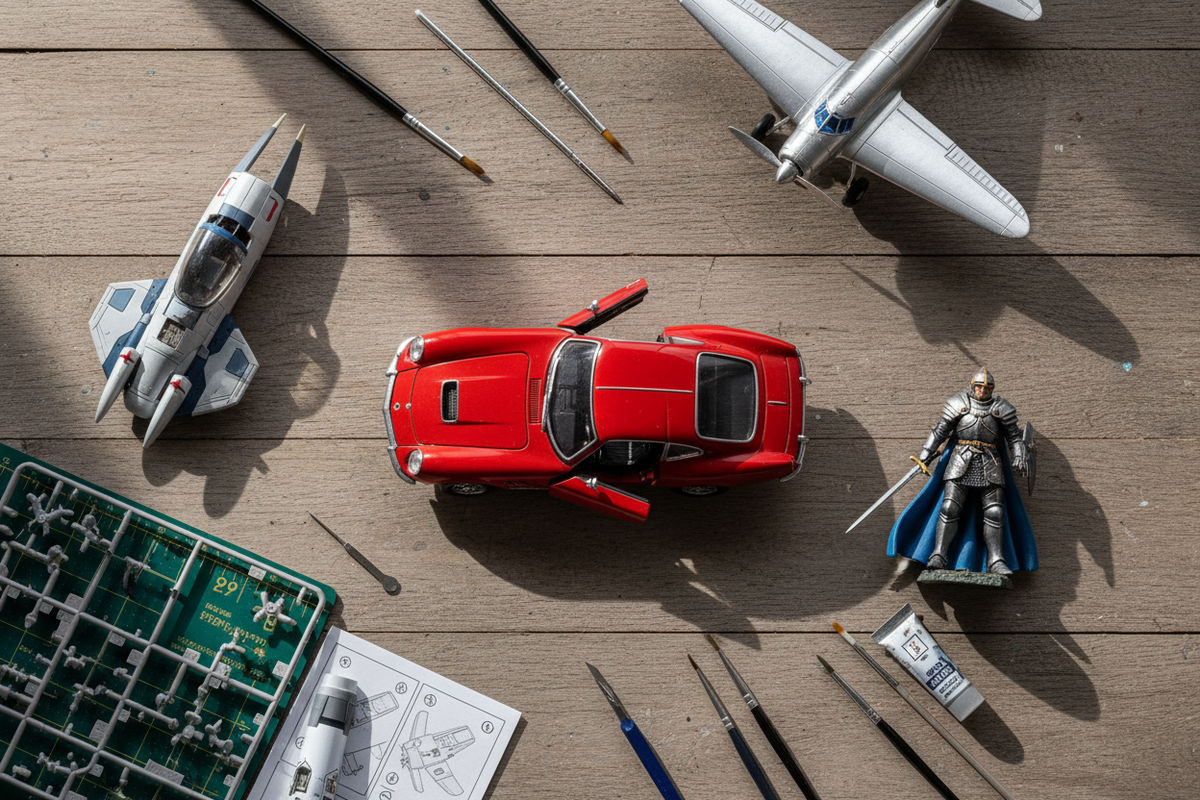
A watercolor beginner doesn't need the same tools as a model builder.
A miniature enthusiast may need precision tweezers, while a scrapbooker may benefit more from a paper trimmer.
Your first project should guide your purchases.
1. A Reliable Work Surface
A stable, comfortable workspace is useful for almost every hobby.
Depending on the activity, consider:
-
Desk or table
-
Protective craft mat
-
Cutting mat
-
Non-slip work surface
-
Portable project board
Choose a surface large enough for your current project, not necessarily the largest one available.
2. Good Lighting
Detailed work becomes easier when you can see clearly.
An adjustable task lamp can help with:
-
Model assembly
-
Painting
-
Embroidery
-
Drawing
-
Paper cutting
-
Miniature construction
Choose lighting that suits your workspace and doesn't create excessive glare.
3. Basic Measuring Tools
Accuracy matters in many crafts.
Useful items may include:
-
Ruler
-
Measuring tape
-
Small square
-
Pencil
-
Marking tools
More specialized measuring equipment can be added when your projects require it.
4. Appropriate Cutting Tools
Different materials require different tools.
Examples include:
-
Paper scissors
-
Fabric scissors
-
Precision craft scissors
-
Model sprue cutters
-
Craft knives
-
Paper trimmers
Always select tools designed for the material and follow manufacturer safety guidance.
Sharp tools should be stored securely and used on suitable surfaces.
5. Organization That Actually Works
Organization doesn't need to be elaborate.
Begin with:
-
Small containers
-
Divided trays
-
Labeled boxes
-
Drawer organizers
-
Portable supply cases
For model builders, keeping small parts separated can be especially helpful.
For artists, organizing by material or color can make setup easier.
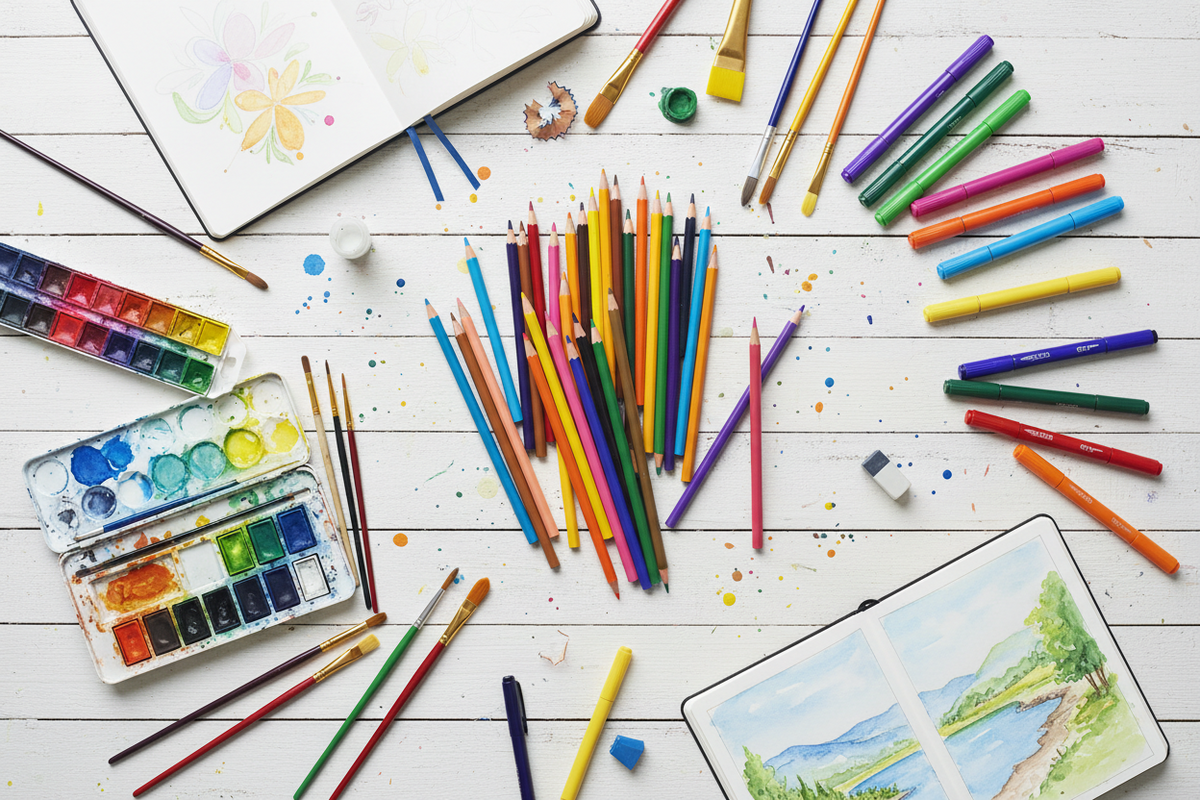
6. Brushes and Application Tools
For painting and finishing projects, appropriate application tools matter.
Instead of purchasing a large assortment immediately, start with a few versatile brushes suited to your medium.
Learn how they behave.
Clean and store them according to the manufacturer's guidance.
Replace or expand your selection only when your projects demand it.
7. Adhesives and Assembly Materials
Adhesive choice depends on the material.
Paper, wood, fabric, plastic, and other surfaces may require different products.
Always read the product label and use suitable ventilation and protective measures where required.
Don't assume one glue works equally well for every craft.
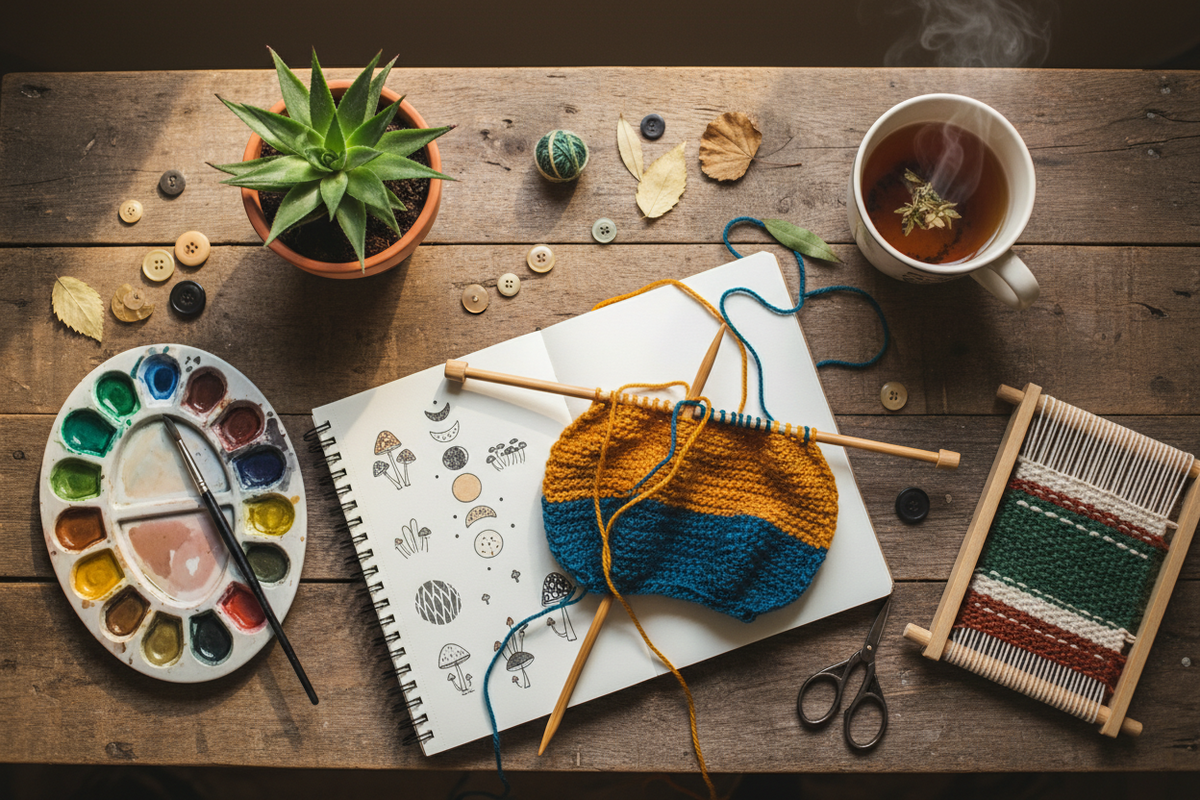
8. A Project Notebook
One of the most useful hobby tools isn't electronic or expensive.
It's a notebook.
Record:
-
Project ideas
-
Material lists
-
Measurements
-
Techniques
-
Mistakes
-
Progress
-
Future improvements
A notebook helps turn each project into useful experience.
What Beginners Can Usually Skip
Not every hobby needs professional-grade equipment immediately.
Depending on the activity, you may be able to postpone:
-
Advanced craft machines
-
Large specialty tool collections
-
Expensive display systems
-
Premium storage furniture
-
Highly specialized accessories
-
Multiple versions of the same basic tool
Start with essentials and upgrade based on actual needs.
How to Recognize a Useful Upgrade
Ask yourself:
Does this tool solve a problem I regularly experience?
Will I use it across several projects?
Does it improve accuracy, safety, comfort, or efficiency?
Can I explain why my current tool is insufficient?
If the answer is yes, the upgrade may be worthwhile.
Build Your Hobby Toolkit in Three Stages
Stage 1 — Beginner Essentials
Purchase only what you need to complete your first project.
Stage 2 — Regular Hobbyist
Add tools that make recurring tasks easier.
Stage 3 — Advanced Creator
Invest in specialized equipment when your skills and projects justify it.
This approach keeps your hobby flexible and manageable.
Take Care of Your Tools
Well-maintained tools can provide better long-term value.
Clean them after use.
Store them in appropriate conditions.
Keep cutting tools protected.
Follow care instructions for brushes, electronics, and mechanical equipment.
Regularly inspect tools for wear or damage.
Choose Quality Where It Matters
A higher price doesn't automatically mean a better choice.
Look for appropriate materials, reliable construction, clear instructions, suitable safety features, and compatibility with your projects.
Customer reviews and product specifications can help, but consider how the tool will actually be used.
Recommended HobbyLoom™ Collections
-
Craft Machines & Maker Tools
-
Art & Coloring Essentials
-
Model Building Accessories
-
DIY Home Craft Kits
-
Hobby Storage & Organization
The Best Tools Help Your Ideas Become Real
You don't need the most expensive creative workspace.
You need the right tools for the projects you enjoy.
Start with a small collection of dependable essentials.
Learn what they can do.
Then expand as your creativity grows.
Explore HobbyLoom™ and find the tools that help bring your next idea to life.
HobbyLoom™ — Create More. Worry Less.