A world of color, craft, play, and possibility is waiting to be made yours.
01 / CREATE
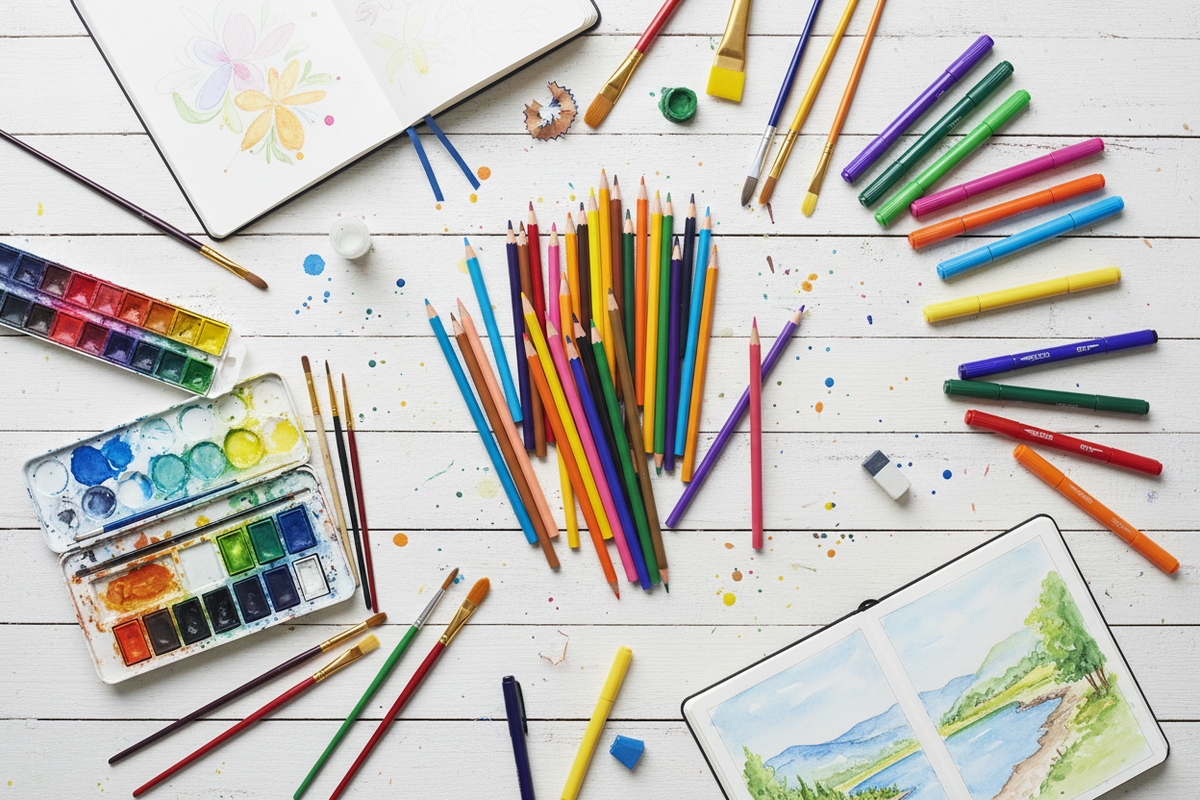
Art & coloring
02 / BUILD
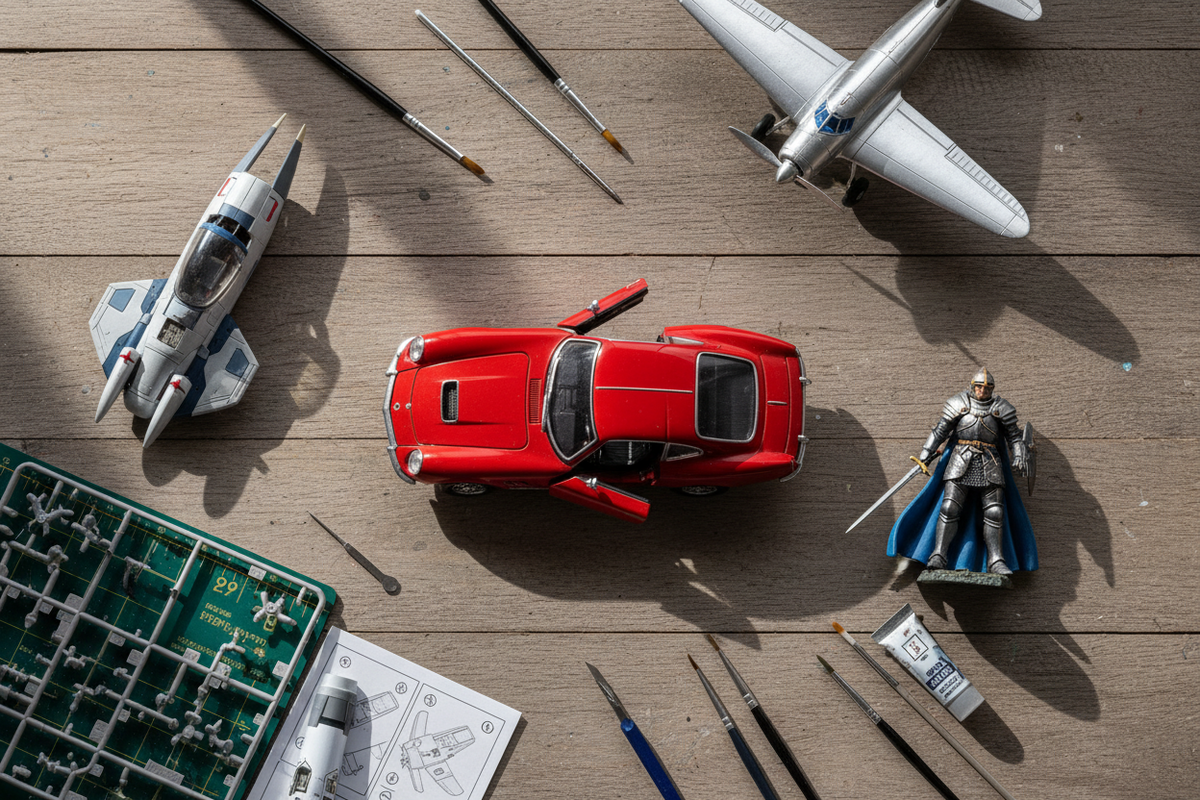
Models & collectibles
03 / PLAY
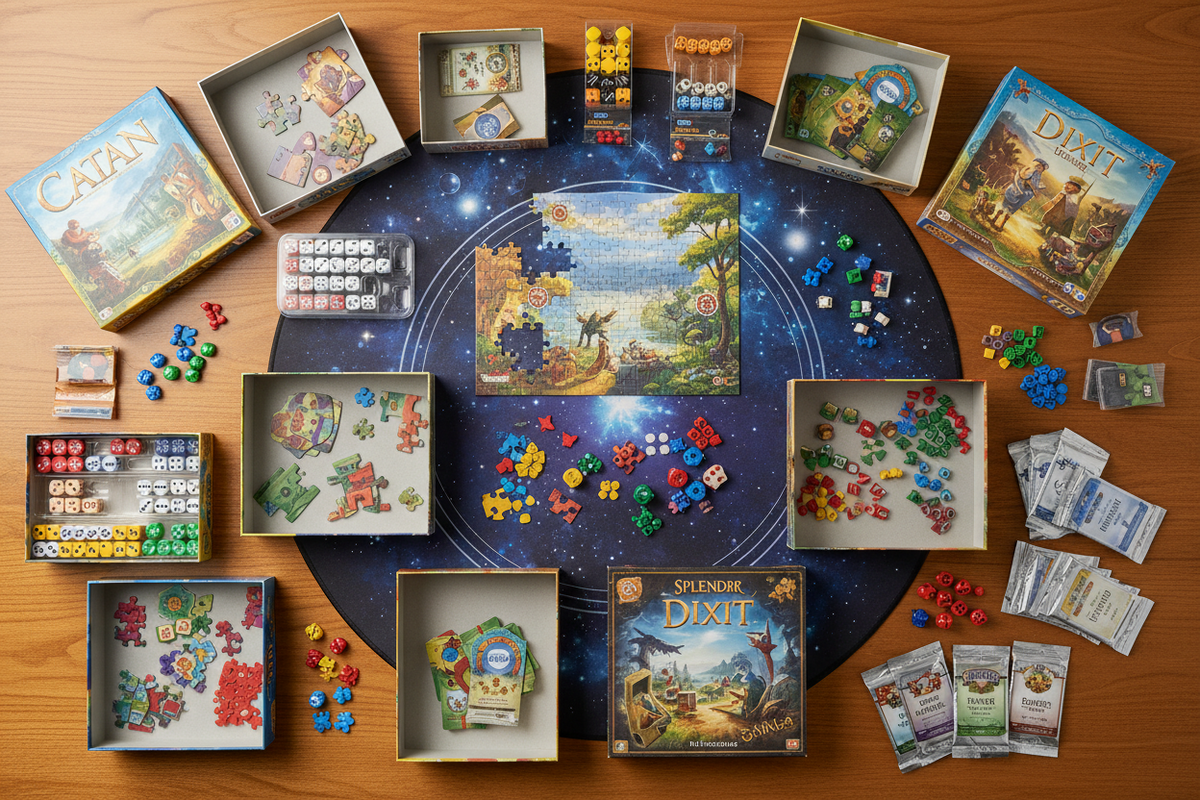
Games & puzzles
01
Discover
Something catches your curiosity.
02
Choose
Find the hobby that feels like you.
03
Create
Open the box. Pick up the tools. Start making.
Building Minds: The Educational Heritage of Models and Blocks
Share
Introduction Whether you are piecing together a complex 1,000-piece landscape or assembling a detailed 3D wooden model, the act of building requires immense focus, spatial reasoning, and patience. The Puzzles & Models category is celebrated for its ability to challenge the mind. Interestingly, the toys and models we use today to unwind were originally designed by philosophers and educators as vital tools for cognitive development.
John Locke and the Alphabet Block The idea that play could be rigorously educational gained traction in the late 17th century. The influential English philosopher John Locke theorized that learning should be an enjoyable, tactile experience. He advocated for the use of wooden blocks with letters carved into them to teach children reading and basic mechanics. This philosophy paved the way for toys to become instruments of learning rather than mere distractions.
Friedrich Fröbel and the Architecture of Play In the 1830s, a German educator named Friedrich Fröbel invented the concept of "Kindergarten." A core part of his curriculum was the "Fröbel Gifts"—a carefully designed set of geometric wooden building blocks. Fröbel believed that by manipulating these blocks, individuals could understand the fundamental laws of nature, physics, and architecture. Visionary architects like Frank Lloyd Wright famously credited these exact wooden blocks for shaping their understanding of spatial design.
The Adult Builder As we grow older, the fundamental human desire to construct and problem-solve never fades. The intricate model-building kits of today—featuring precise, laser-cut wooden gears or incredibly detailed miniature architectural replicas—serve as the ultimate educational tools for adults. They force us to disconnect from screens, read schematics, and engage our fine motor skills, proving that we never truly outgrow the profound joy of building something from the ground up.