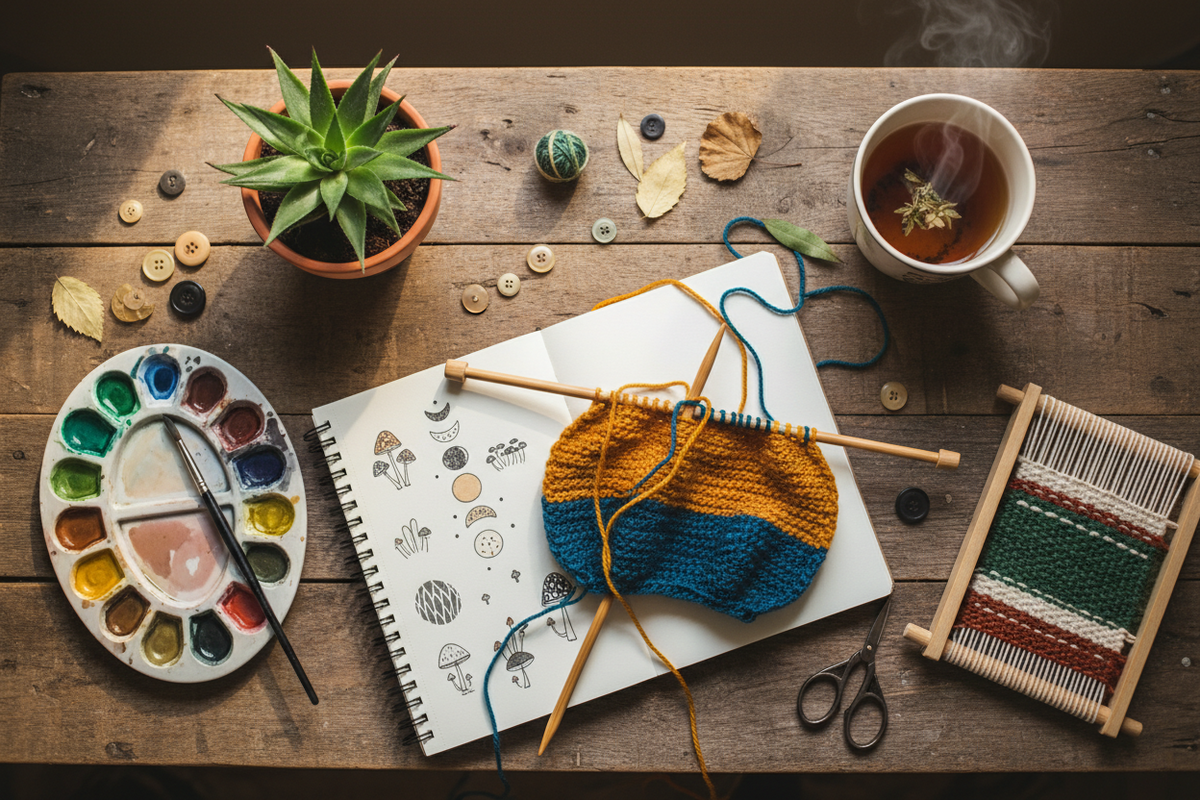
A world of color, craft, play, and possibility is waiting to be made yours.
01 / CREATE
Art & coloring
02 / BUILD
Models & collectibles
03 / PLAY
Games & puzzles
01
Discover
Something catches your curiosity.
02
Choose
Find the hobby that feels like you.
03
Create
Open the box. Pick up the tools. Start making.
The Timeless Craft: A Deep Dive into the History of Leatherworking
Share
There is a distinct, rich aroma that hits you the moment you unroll a fresh hide of leather. Leatherworking is an incredibly tactile and rewarding hobby. With a few specialized tools, you can cut, punch, and stitch a piece of raw material into a wallet, a journal cover, or a bespoke bag that will last a lifetime. As a premium addition to our DIY & Lifestyle collection, leathercraft connects us to one of the absolute oldest human survival skills.
From Survival to Status Symbol Leatherworking dates back to the Paleolithic period (around 400,000 years ago). Early humans realized that animal hides could protect them from the elements, but raw hides would quickly rot or freeze solid. They discovered the first crude methods of tanning by rubbing animal brains and fats into the skins or smoking them over a fire. By the time of the Roman Empire, leatherworking had become a massive, organized industry. Roman soldiers marched in leather sandals (caligae), wore leather armor, and carried their gear in leather satchels.
The Guilds of the Middle Ages During the Middle Ages, the craft became highly specialized and regulated by powerful guilds. A master leatherworker, or "cordwainer" (shoemaker), spent years as an apprentice learning the intricate chemistry of vegetable tanning—using the tannins found in oak bark to preserve the hides. The tools they used—awls, groovers, and bevelers—were forged by local blacksmiths and look remarkably similar to the tools we use today.
The Modern Artisan Renaissance The Industrial Revolution automated much of the leather industry, making goods cheaper but sacrificing the bespoke quality of hand-stitched items. Today, the DIY leatherworking movement is a pushback against fast fashion. When you pick up a beginner leathercrafting kit from Hobby Loom, you are learning the "saddle stitch"—a two-needle hand-sewing technique that is actually stronger than anything a modern sewing machine can produce. You aren't just making a wallet; you are crafting a durable heirloom.