A world of color, craft, play, and possibility is waiting to be made yours.
01 / CREATE
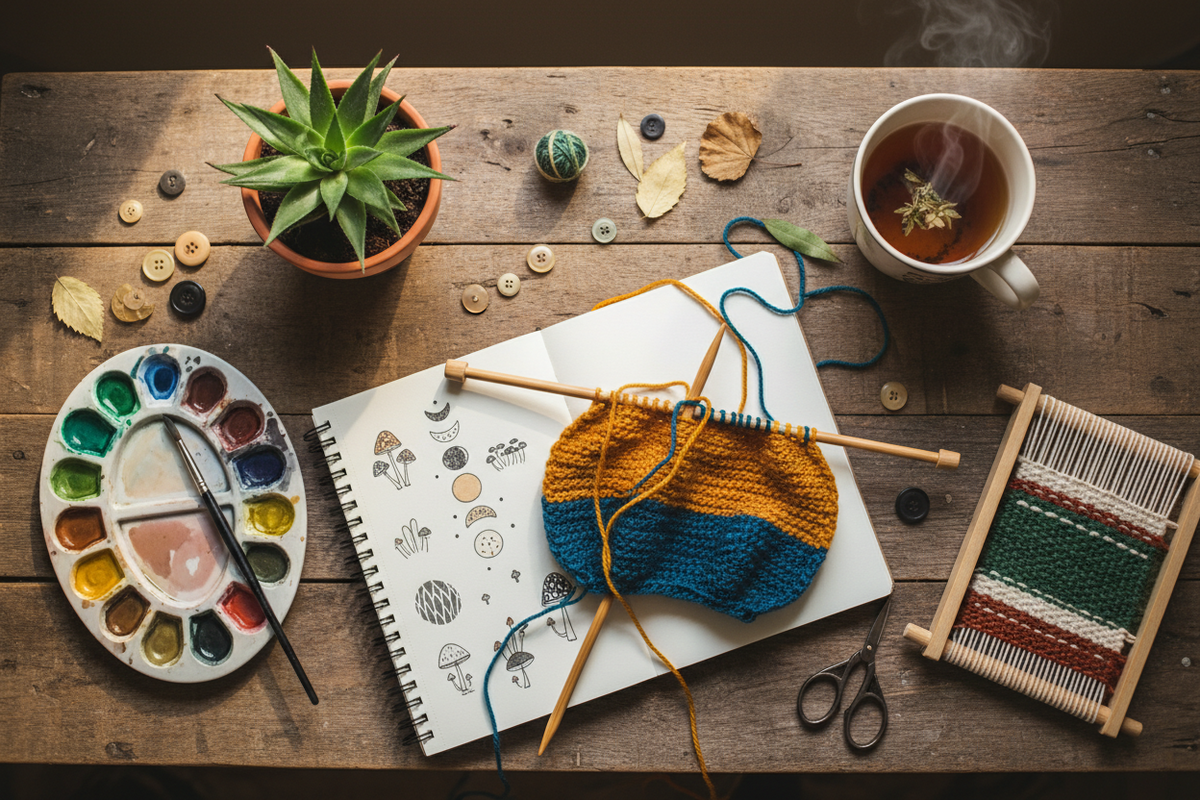
Art & coloring
02 / BUILD
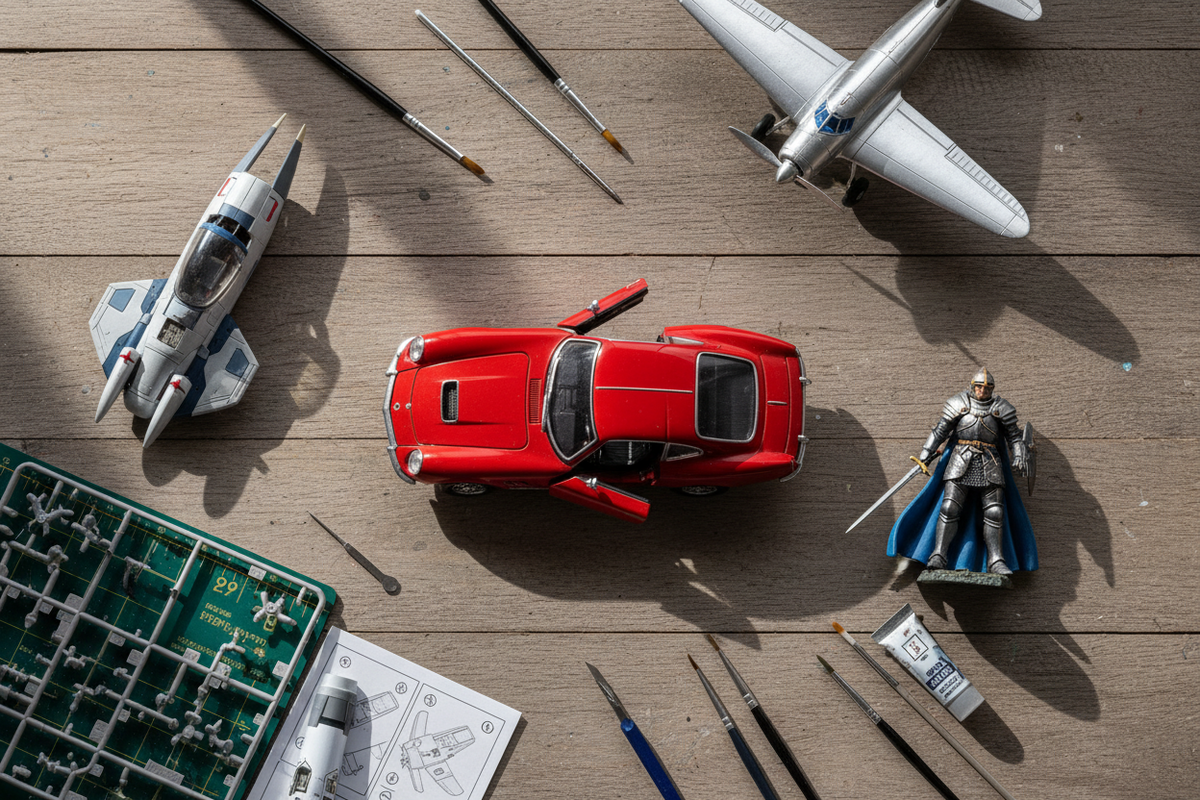
Models & collectibles
03 / PLAY
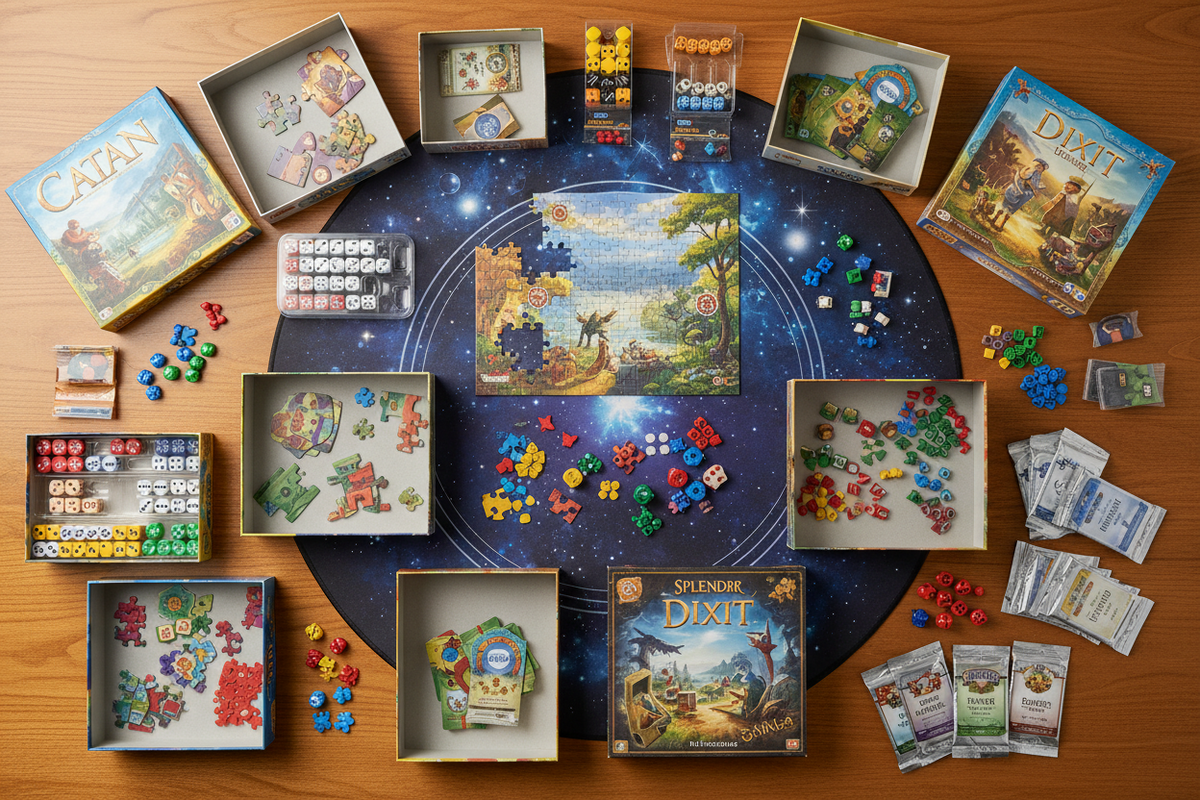
Games & puzzles
01
Discover
Something catches your curiosity.
02
Choose
Find the hobby that feels like you.
03
Create
Open the box. Pick up the tools. Start making.
The First Masterpiece: The 100,000-Year History of Beadwork and Jewelry
Share
Jewelry is often viewed as a simple accessory, but the act of adorning oneself is arguably the oldest form of human artistic expression. The process of stringing, weaving, and designing jewelry is a meticulous, deeply satisfying craft within our Arts & Crafts collection. When you open a DIY jewelry kit today, you are participating in a creative lineage that predates written language by tens of thousands of years.
The Nassarius Snail Shells The earliest known jewelry was discovered by archaeologists in a cave in Israel and a site in Algeria. They found tiny Nassarius snail shells with deliberate holes bored into them, dating back roughly 100,000 years. These shells were strung together and worn by early humans. This discovery was monumental—it proved that ancient humans had the cognitive ability to recognize beauty, create symbols, and invest time in crafting something completely unnecessary for basic physical survival.
Egyptian Faience and Venetian Glass As civilizations advanced, so did the complexity of their jewelry. The ancient Egyptians mastered the art of faience, heating crushed quartz to create brilliant, glass-like turquoise beads. Fast forward to the Renaissance, and the island of Murano in Venice became the undisputed bead capital of the world. Venetian glassmakers invented the millefiori (thousand flowers) technique, creating incredibly intricate glass beads that were so valuable they were used as global currency for trade and exploration.
The Modern Maker For centuries, fine jewelry was restricted by class and wealth. Today, the DIY jewelry movement democratizes adornment. Creating your own bracelets, necklaces, or wire-wrapped rings allows you to curate your exact style. Working with fine beads, delicate metals, and precise pliers is a focused, relaxing endeavor that results in wearable art. You are not just making an accessory; you are continuing a 100,000-year-old human tradition of capturing beauty.