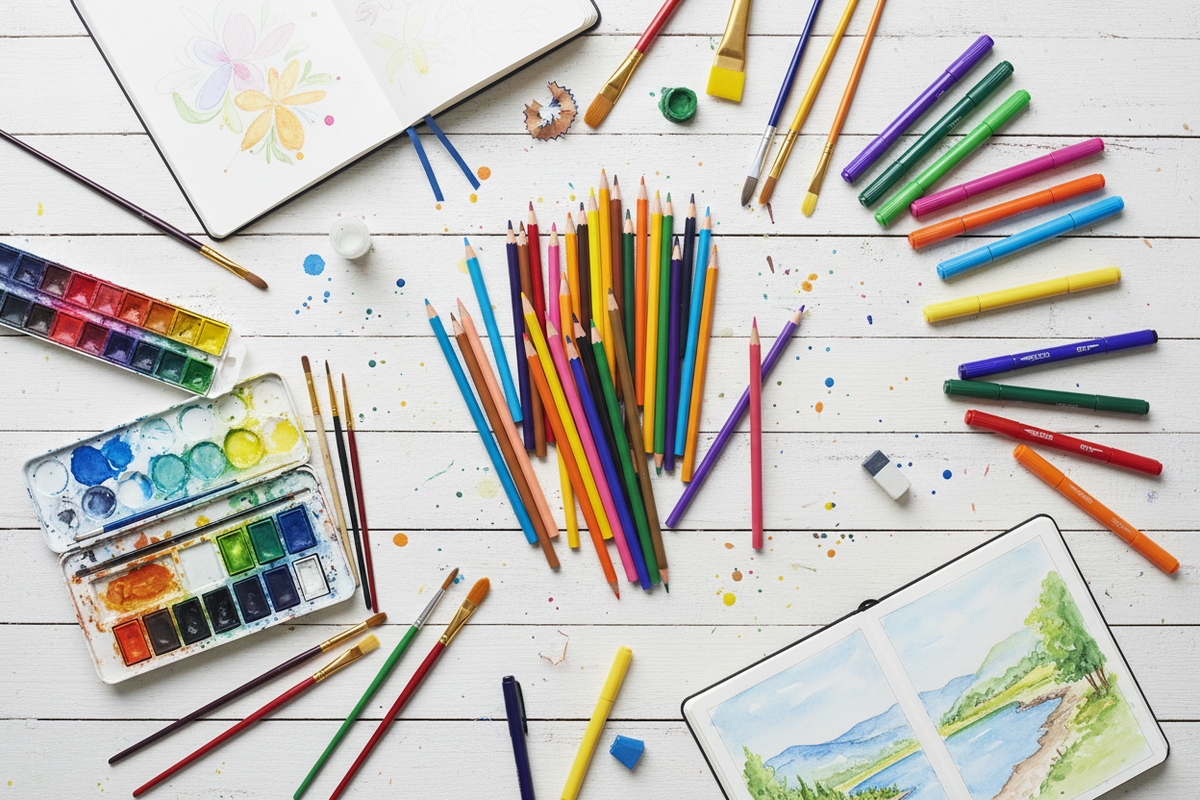
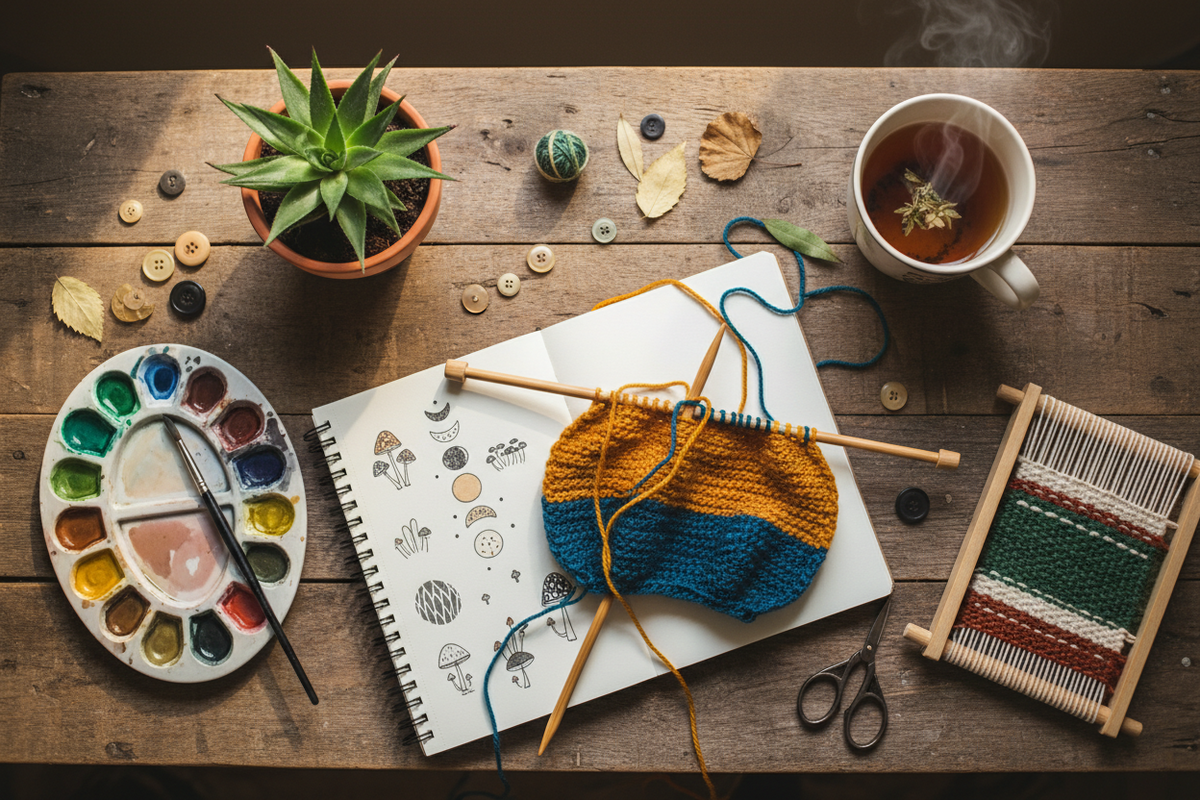
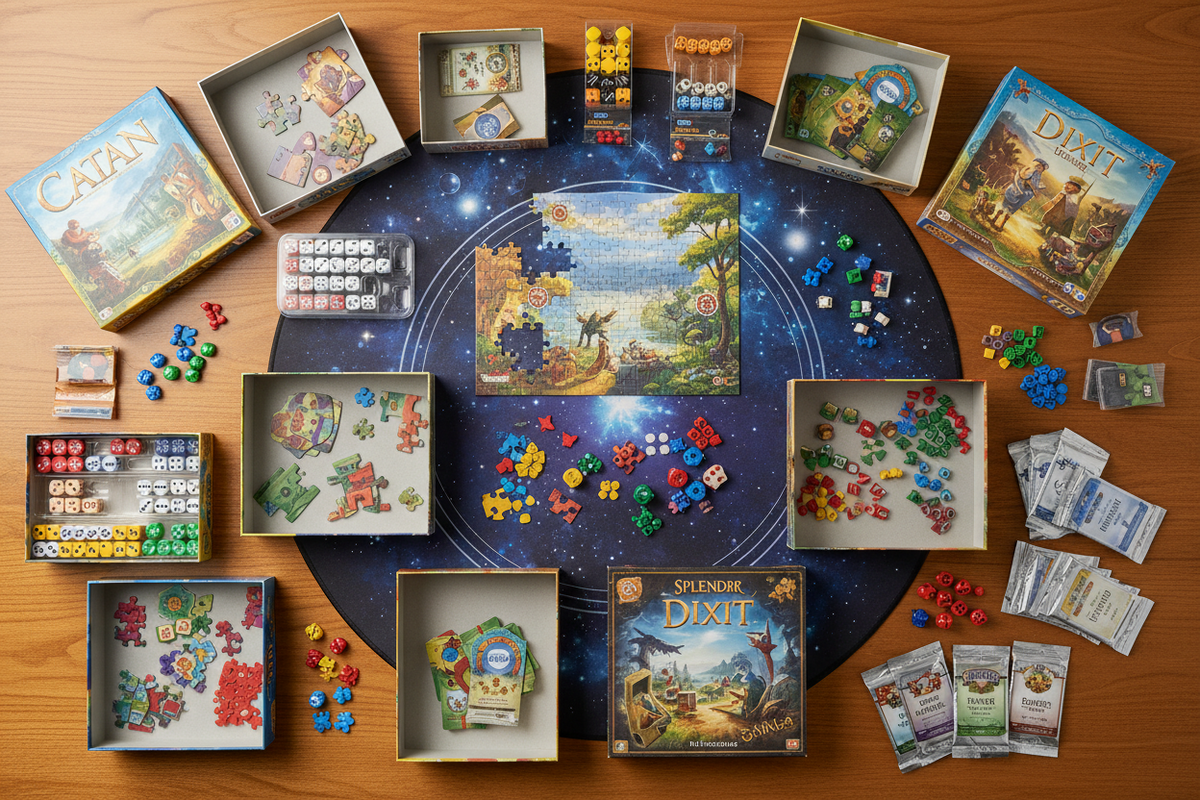
A world of color, craft, play, and possibility is waiting to be made yours.
01 / CREATE
Art & coloring
02 / BUILD
Models & collectibles
03 / PLAY
Games & puzzles
01
Discover
Something catches your curiosity.
02
Choose
Find the hobby that feels like you.
03
Create
Open the box. Pick up the tools. Start making.
Pixel Art of the Past: The Resurgence of Cross-Stitch
Share
If you look closely at a completed cross-stitch pattern, you will notice something familiar: it is entirely composed of tiny, colored squares. Long before computer screens and digital pixel art, cross-stitch was the original way humans created high-resolution images using a grid. Today, this ancient craft is experiencing a massive, vibrant resurgence in our Arts & Crafts collections.
An Ancient Global Tradition Cross-stitch is one of the oldest forms of embroidery in human history. Archaeologists have discovered cross-stitch fragments in the tombs of ancient Egypt, as well as in the ruins of early civilizations in Peru and Central Asia. Because the basic X-shaped stitch is so structurally sound and simple to execute, it developed independently across multiple cultures as a way to embellish clothing and household linens.
The Era of the "Sampler" The craft reached a peak of cultural importance in Europe during the 16th to 19th centuries. Young girls from affluent families were required to stitch "samplers"—long pieces of linen demonstrating their mastery of various stitches, alphabets, and moral verses. These samplers served as a girl's educational resume, proving her patience, literacy, and domestic skills to potential suitors.
The Modern "Subversive" Shift For a long time in the 20th century, cross-stitch was stereotyped as a stuffy hobby reserved for floral patterns and quaint cottage quotes. But the 21st century brought a revolution. Modern crafters realized that the pixelated nature of the grid was perfect for recreating pop culture icons, witty typography, and "subversive" humorous quotes. A cross-stitch kit from Hobby Loom offers the perfect, tactile digital detox—allowing you to create sharp, colorful art one satisfying "X" at a time.