Even Hobbies Can Start Feeling Like Work
You used to look forward to creating.
Now the supplies sit untouched.
You have ideas, but none of them feel exciting.
You open the project box, look at everything, and close it again.
Creative slumps happen.
They don't necessarily mean you've chosen the wrong hobby.
Sometimes the hobby simply needs to change.
1. Stop Trying to Make Something Impressive
Pressure can quietly remove the fun.
Create something nobody will see.
Don't post it.
Don't sell it.
Don't compare it.
Give yourself permission to make something ordinary.
Experimentation becomes easier when there is no audience.
2. Change the Size
If you've been working on large projects, go tiny.
Paint a postcard instead of a canvas.
Build a small model instead of a complex one.
Make one greeting card instead of an entire scrapbook.
If your projects have been small, try something slightly larger.
Changing scale changes the experience.
3. Change Your Materials
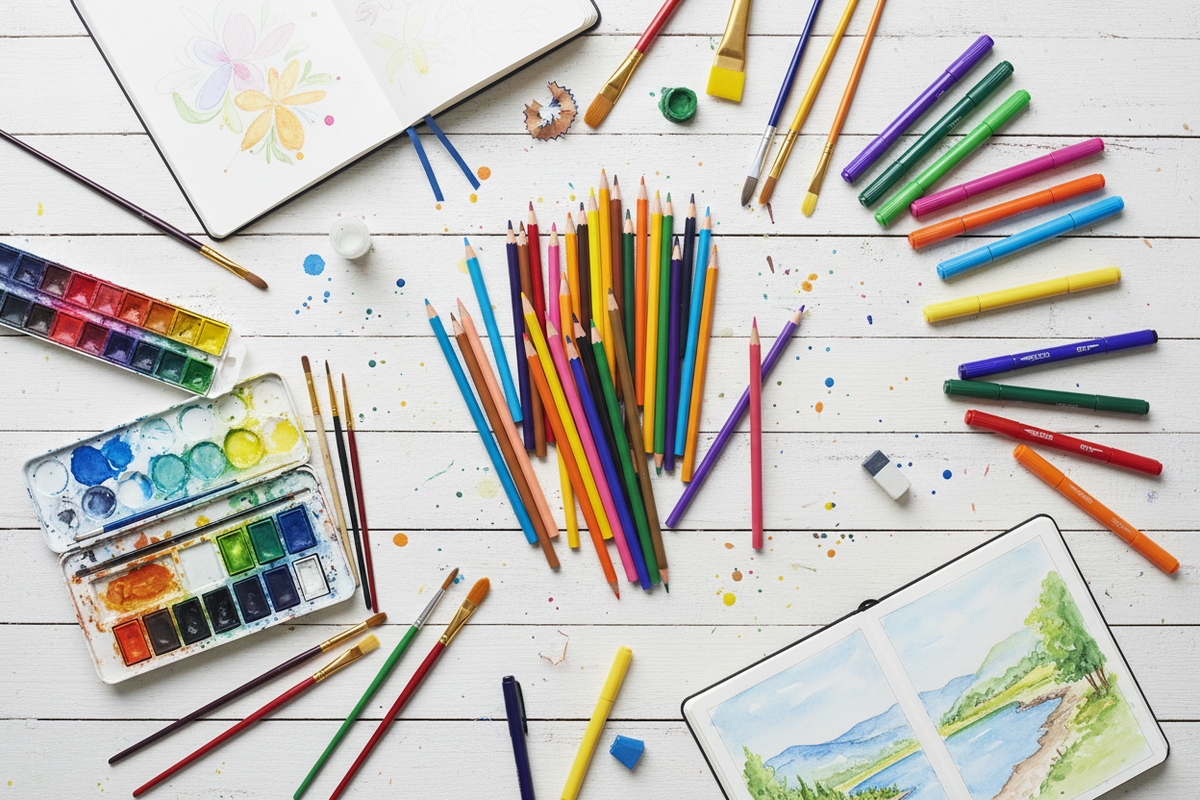
A painter might try collage.
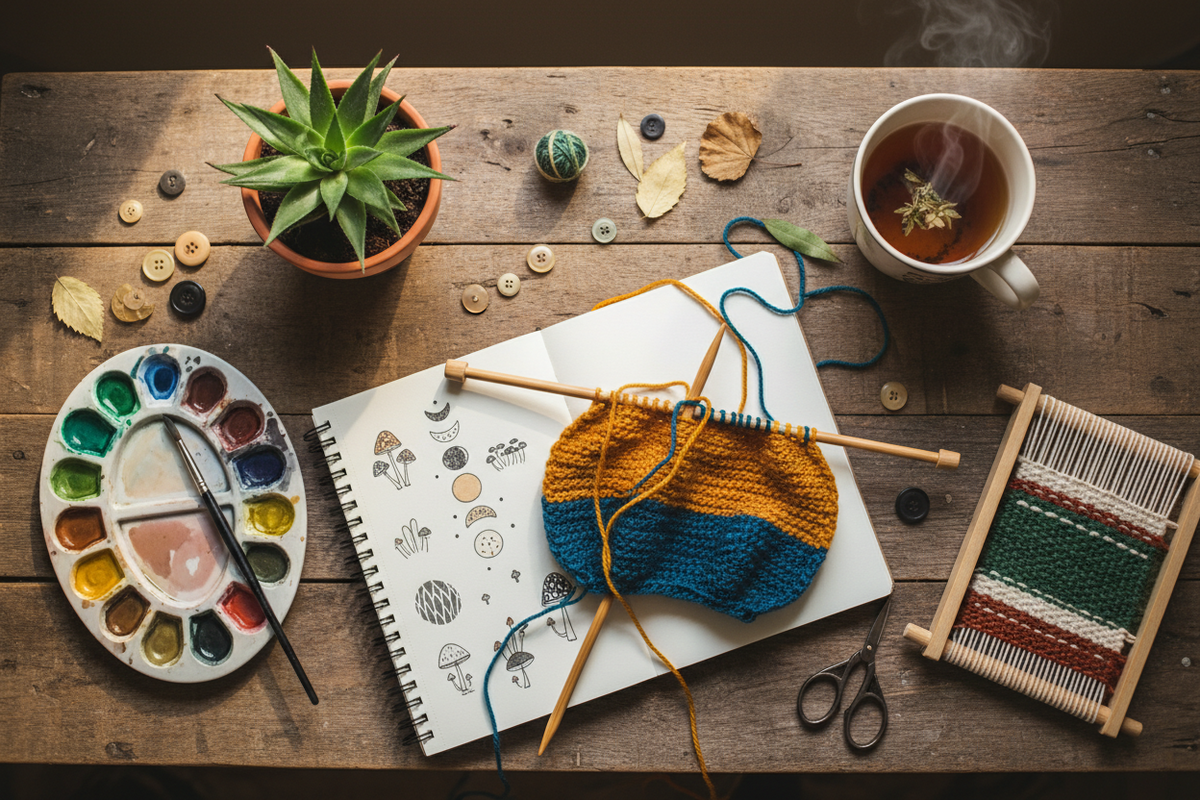
A paper crafter might experiment with clay.
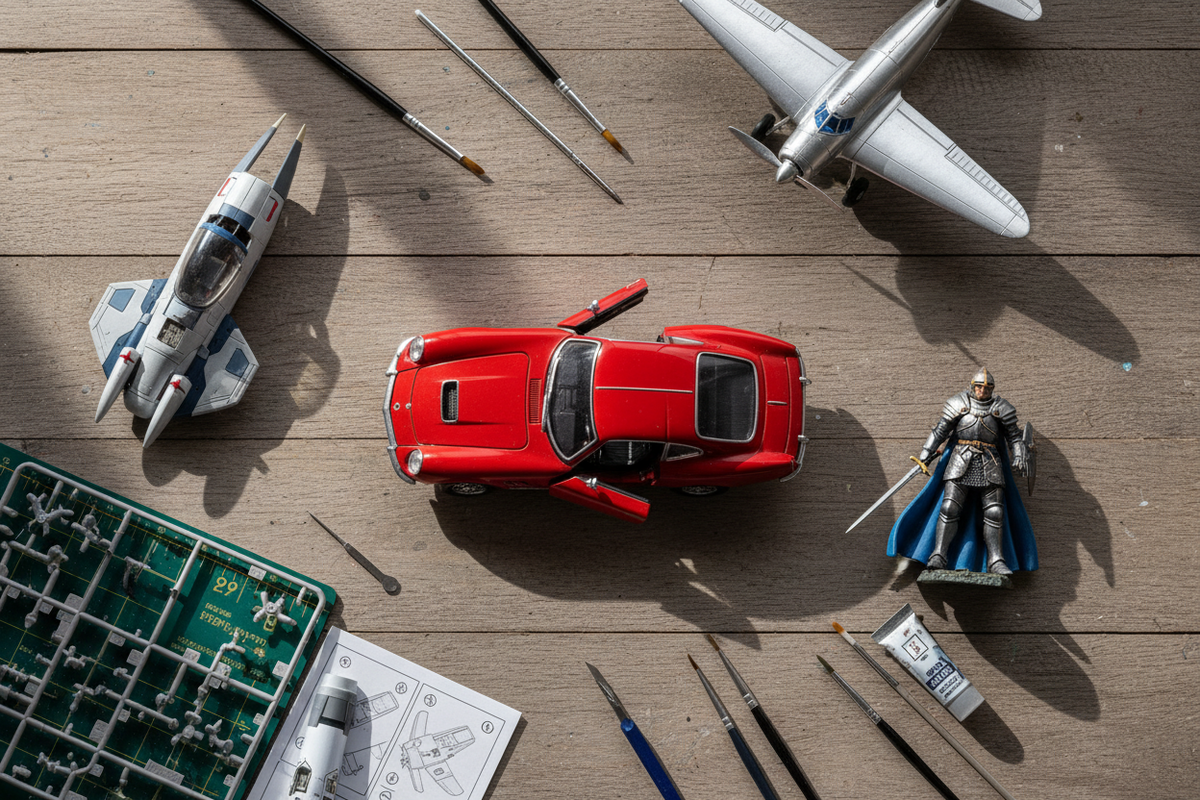
A model builder might try miniature scenery.
A photographer might create a printed photo journal.
You don't always need a completely different hobby.
Sometimes you need a different material.
4. Revisit Your First Project
Look at what you made when you began.
Don't criticize it.
Notice what has changed.
You may discover progress you stopped noticing because improvement happened gradually.
Then recreate the same project using your current skills.
The comparison can be surprisingly motivating.
5. Create Under a Limitation
Too many choices can make creativity difficult.
Give yourself a rule.
For example:
Only three colors.
Only recycled paper.
Twenty-minute project.
One photograph every day.
Build using only materials already owned.
Limitations force different decisions.
6. Change Your Environment
Move your hobby temporarily.
Paint outdoors.
Take your journal to a café.
Build at a different table.
Practice music in another room.
Even a small environmental change can make a familiar activity feel different.
7. Learn One New Technique
Don't try to master the entire hobby again.
Learn one thing.
For example:
-
one watercolor technique
-
one embroidery stitch
-
one model weathering technique
-
one photography composition method
-
one guitar chord
-
one paper-folding pattern
One new technique creates new possibilities.
8. Create for Someone Else
Make a small gift.
A card.
A miniature.
A painting.
A bookmark.
A handmade decoration.
Creating for a specific person gives the project a purpose beyond the project itself.
9. Take a Break Without Quitting
Sometimes you simply need distance.
Put the hobby away intentionally for a week.
Not because you've failed.
Because interests need room.
Try something else.
Then return and notice how you feel.
A hobby should be something you choose, not another obligation.
Creativity Doesn't Disappear
It changes.
Sometimes it needs novelty.
Sometimes challenge.
Sometimes simplicity.
Sometimes rest.
Don't ask:
“Why am I not creative anymore?”
Ask:
“What would make creating interesting again?”
That's a much more useful question.
Try Something Different
Explore:
Beginner Creative Kits
DIY Home Crafts
Art & Coloring Essentials
HobbyLoom™
You don't need to force inspiration. Give it somewhere new to go.