A world of color, craft, play, and possibility is waiting to be made yours.
01 / CREATE
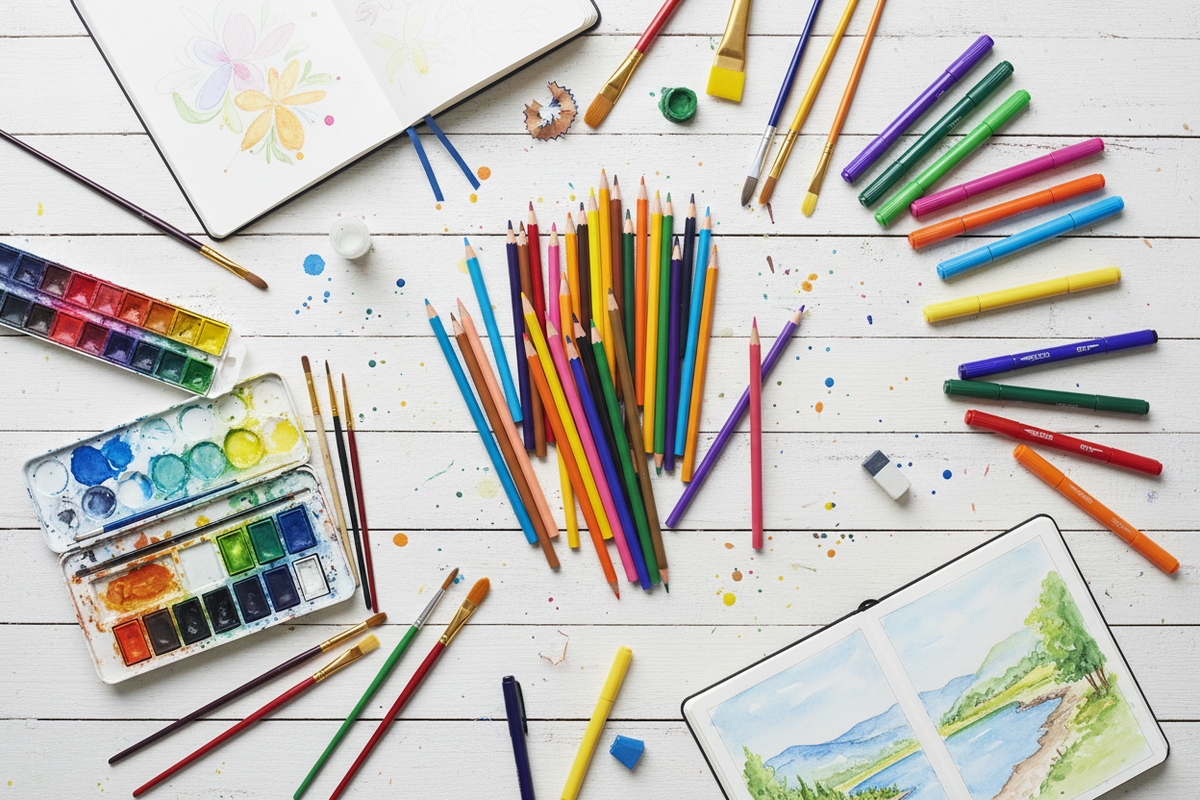
Art & coloring
02 / BUILD
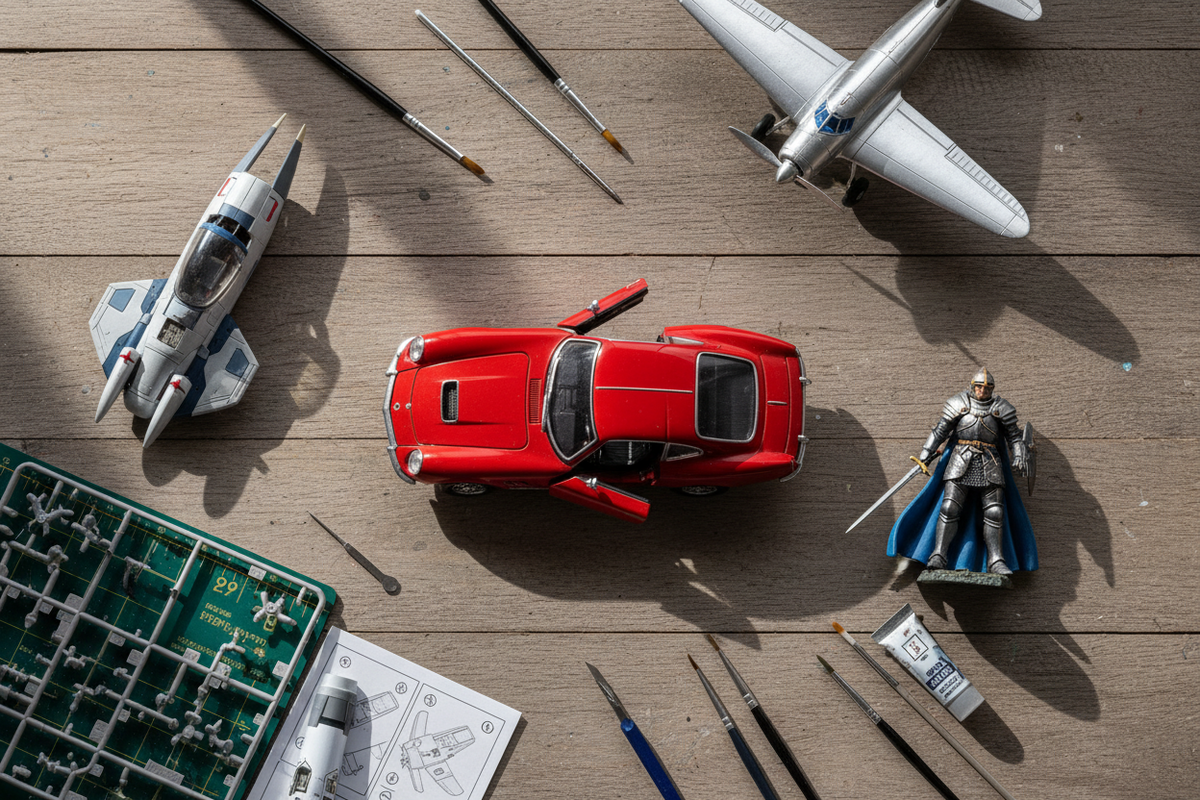
Models & collectibles
03 / PLAY
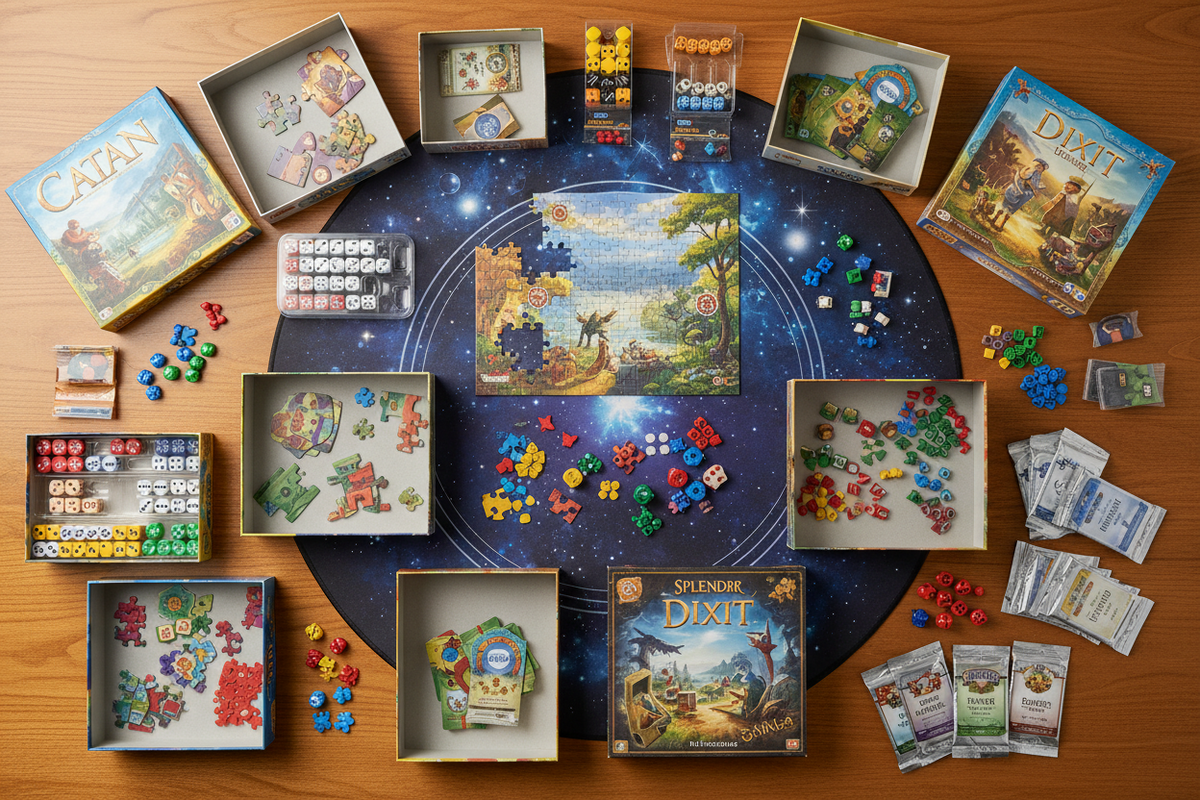
Games & puzzles
01
Discover
Something catches your curiosity.
02
Choose
Find the hobby that feels like you.
03
Create
Open the box. Pick up the tools. Start making.
Capturing the Garden: The Victorian Obsession with Pressed Flowers
Share
Spring and summer offer a fleeting explosion of color, but what if you could capture that vibrant beauty and keep it forever? The art of pressing and preserving flowers is a delicate, gorgeous craft that brings the garden indoors all year round. Today, botanical art is a massive trend in our DIY Home & Garden space, but the obsession with perfectly flattened flora has a deeply romantic and scientific history.
The Birth of the Herbarium (16th Century) The systematic pressing of plants actually began as a strict science. In 16th-century Italy, a botanist named Luca Ghini invented the herbarium—a collection of dried, pressed plants cataloged for scientific study. By pressing the moisture out of a specimen between heavy paper, botanists could preserve the anatomical structure of a plant for decades, allowing researchers to study foreign species without having to travel across the globe.
Oshibana and the Art of Floriography While scientists prized accuracy, artists prized beauty. In Japan, the art of Oshibana (creating intricate pictures using pressed flowers) dates back to the 16th century, demanding extreme precision and an eye for composition. However, the craft reached a fever pitch in Victorian England. The Victorians were obsessed with Floriography—the secret language of flowers, where every bloom had a specific meaning. Pressing flowers into albums, framing them, or using them to decorate letters became a deeply sentimental, romantic pastime.
Preserving the Present Today, flower pressing has evolved beautifully. Modern crafters use specialized wooden presses and combine their dried botanicals with UV resin to create stunning jewelry, transparent bookmarks, and framed glass artwork. Starting a pressed flower project encourages you to step outside, observe the intricate details of your local flora, and preserve a tiny, perfect piece of nature for your home.